



STORIES
- #Materials & Tanneries10 (selected. Tap again to clear)
- #Artisans & Workshops9
- #Brand History5
- #Leather Shoes4
- #Aging & Patina3
- #Sustainability3
- #Bags2
- #Wallets & Small Goods1
- #Everyday Use1
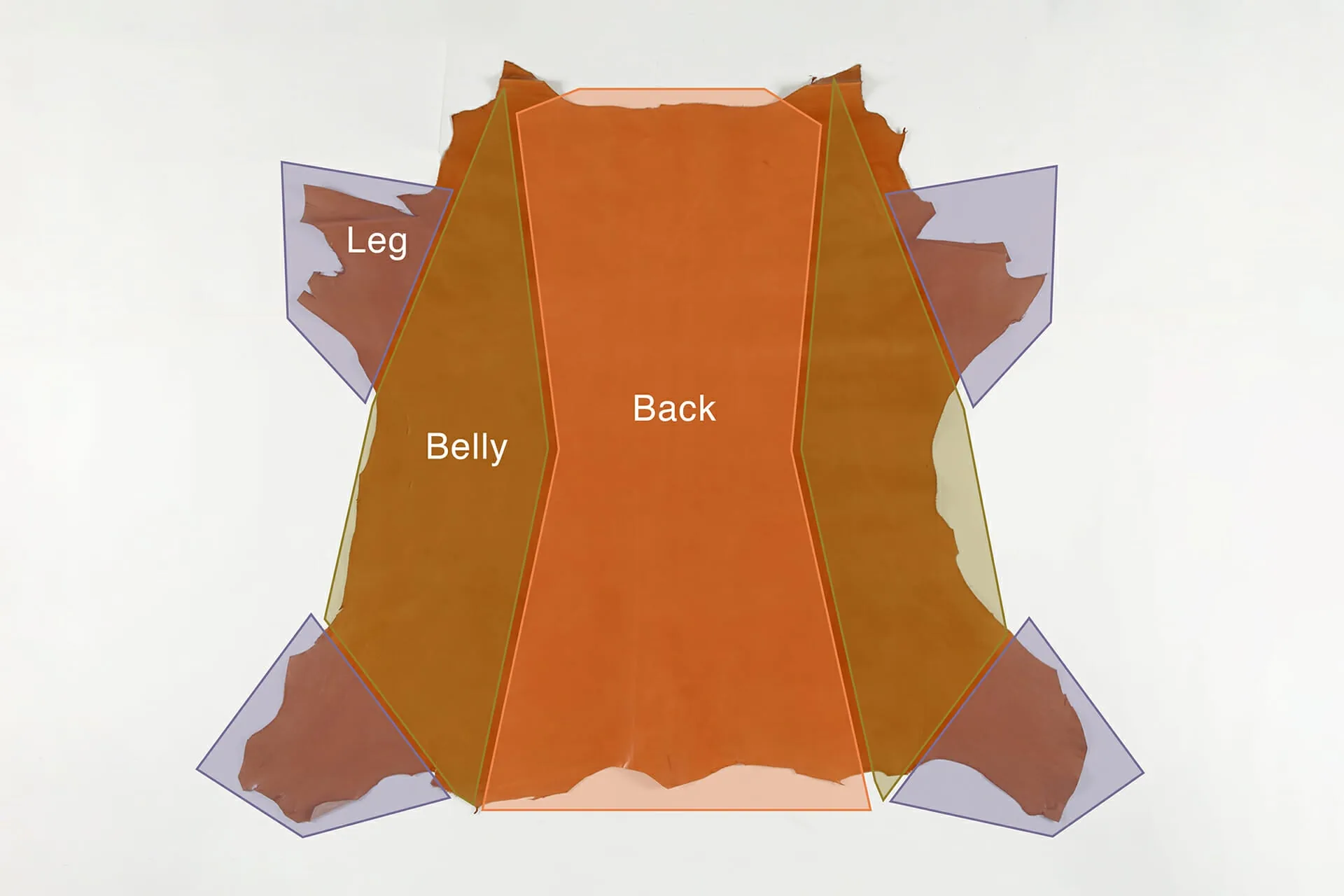
Leather is a “living thing,” and every part has its own “character”: the right part of the hide for the right job
Leather keeps the animal's natural form: a cowhide is firmest at the back and softest at the belly. Even split evenly in tanning, its strength varies by part.
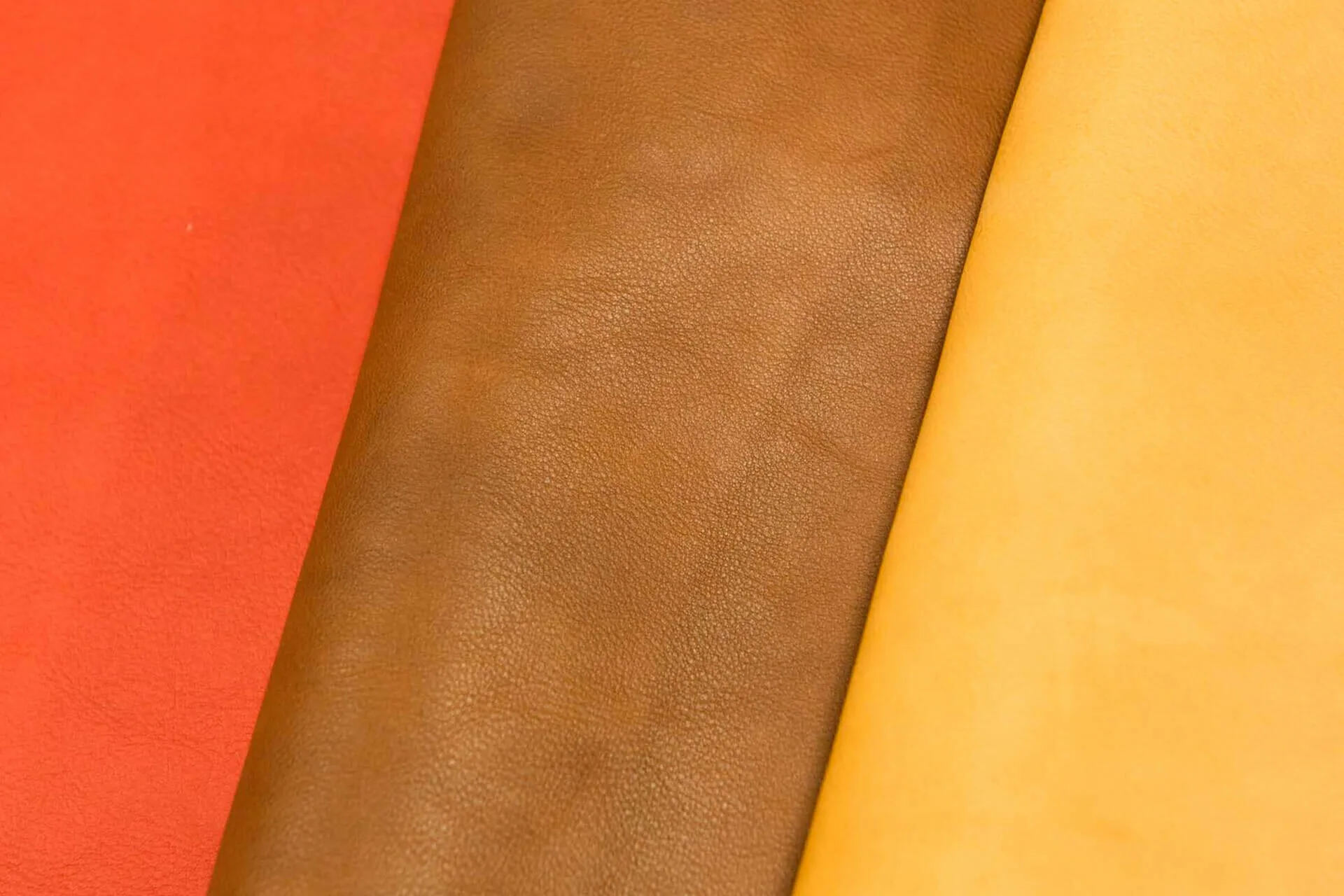
A connoisseur's checkpoints ②: The color of leather
Amano Hokoku, a leather wholesaler founded in the Meiji era, pursues “original leather found nowhere else.” Its keyword today is an “antique feel.”
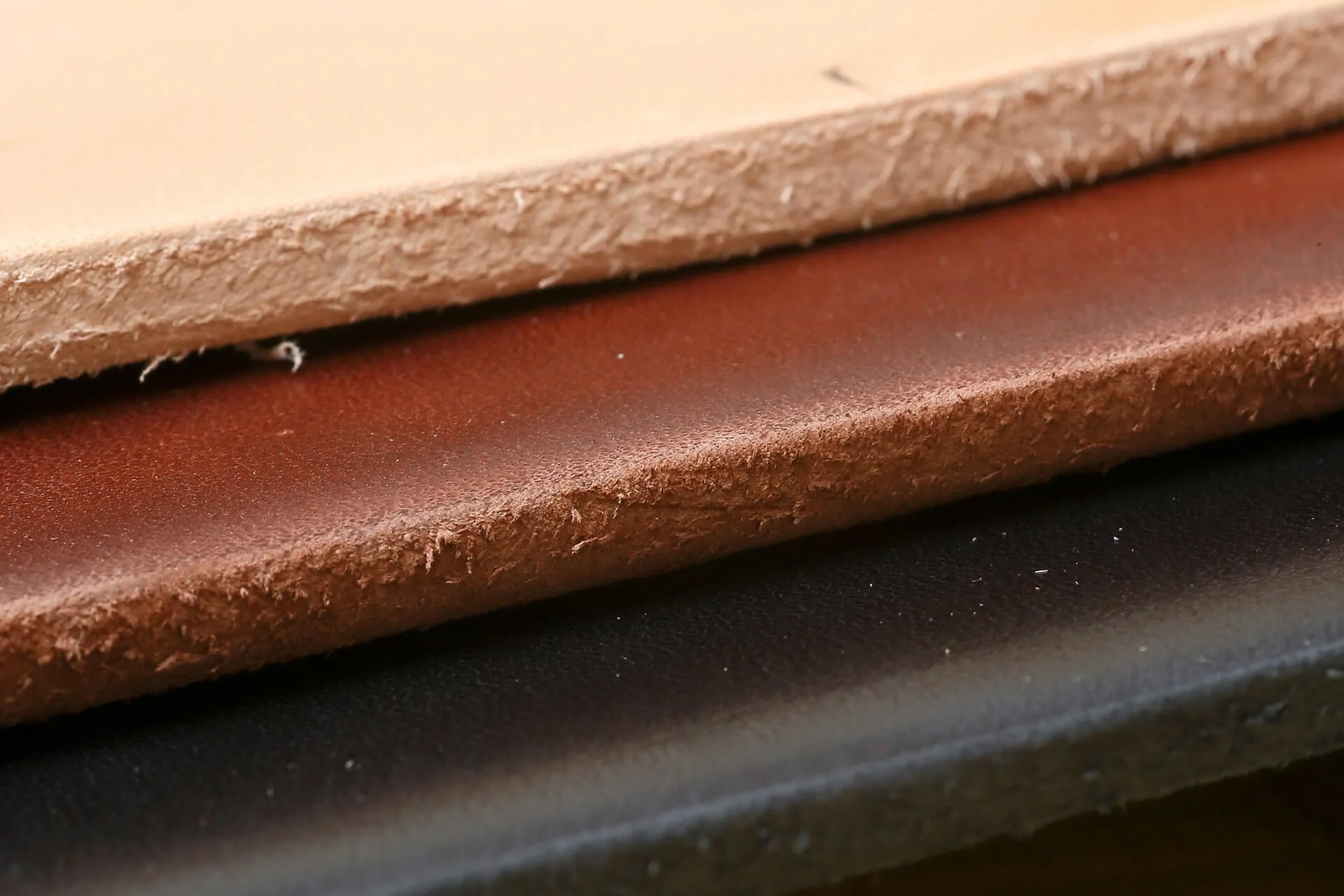
Checkpoints for judging leather 1: thickness
Leather Craft Phoenix began as a dealer in thick sole leather for shoes, and still stocks a wide range of thick vegetable-tanned leathers and bends.
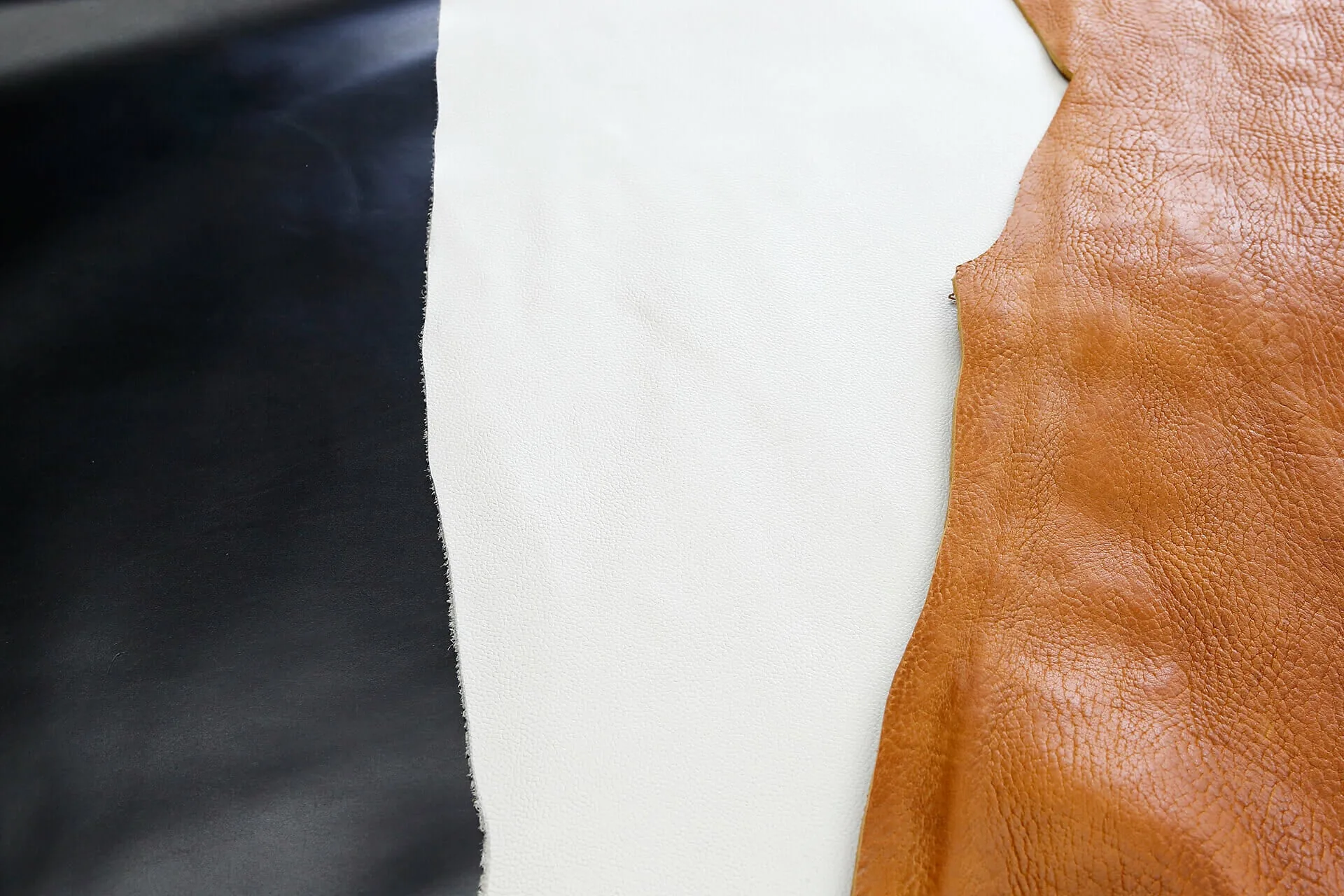
From hide to leather: the tanning process
Hides become leather through tanning, which bonds tanning agents to the collagen fibers of the skin. Most rawhides are imported, but Japan has many tanneries.
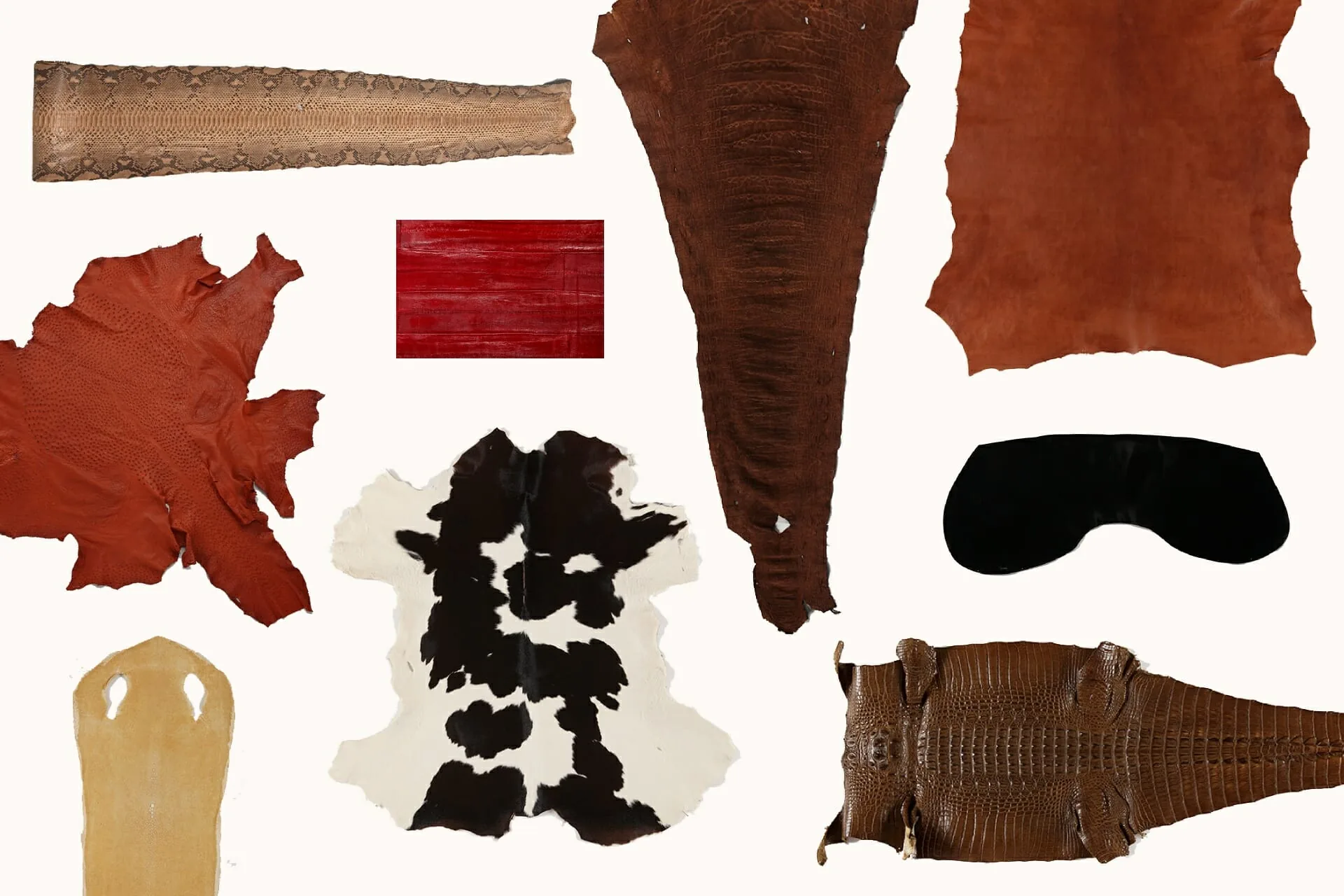
Leather is more than cowhide: a sample book of leathers
Leather is more than cowhide. Around the world it is made from many animals, each with its own character and uses. Here is a sample book of the main types.
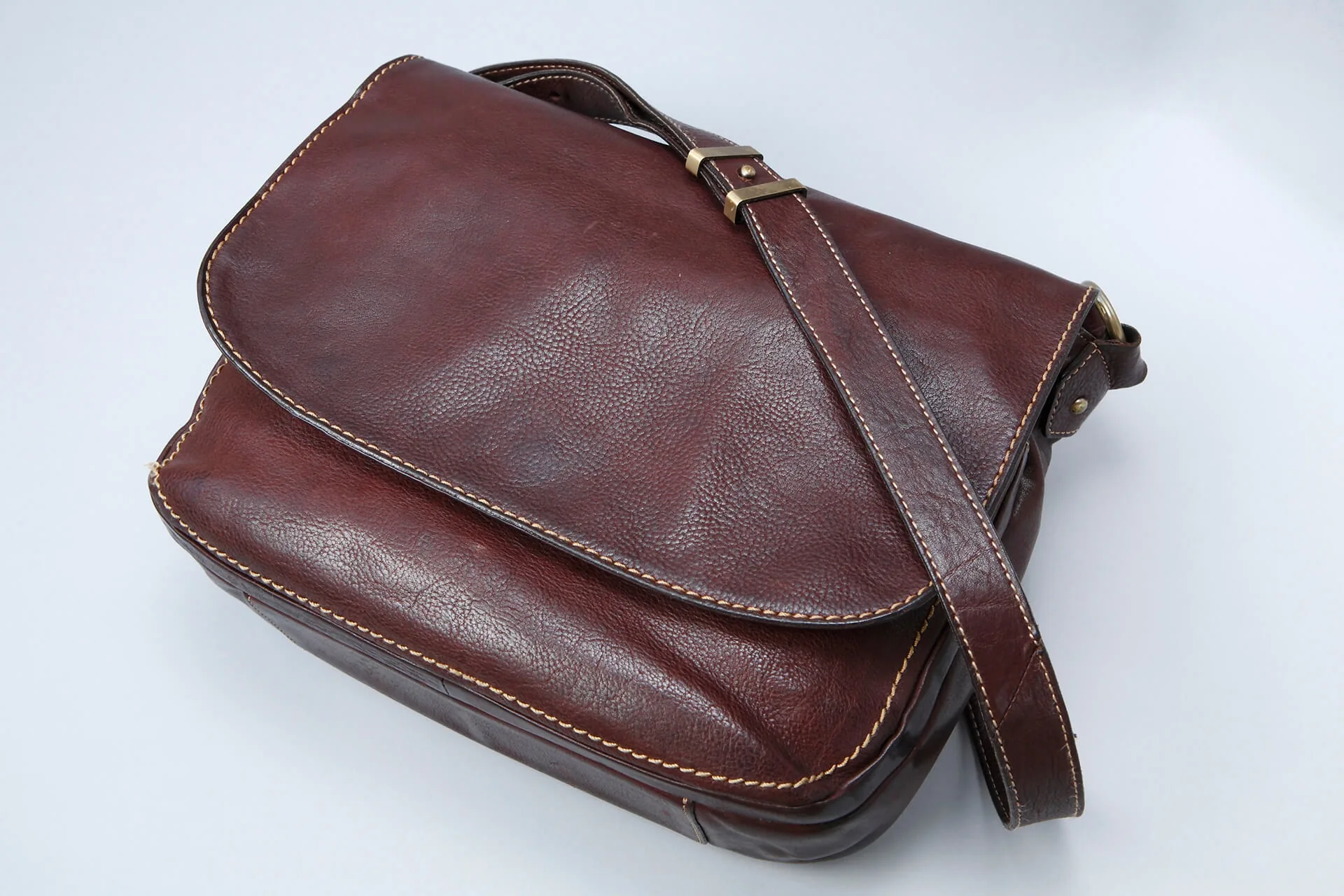
Cherished leather deserves to be raised with love
Leather is a material for self-expression
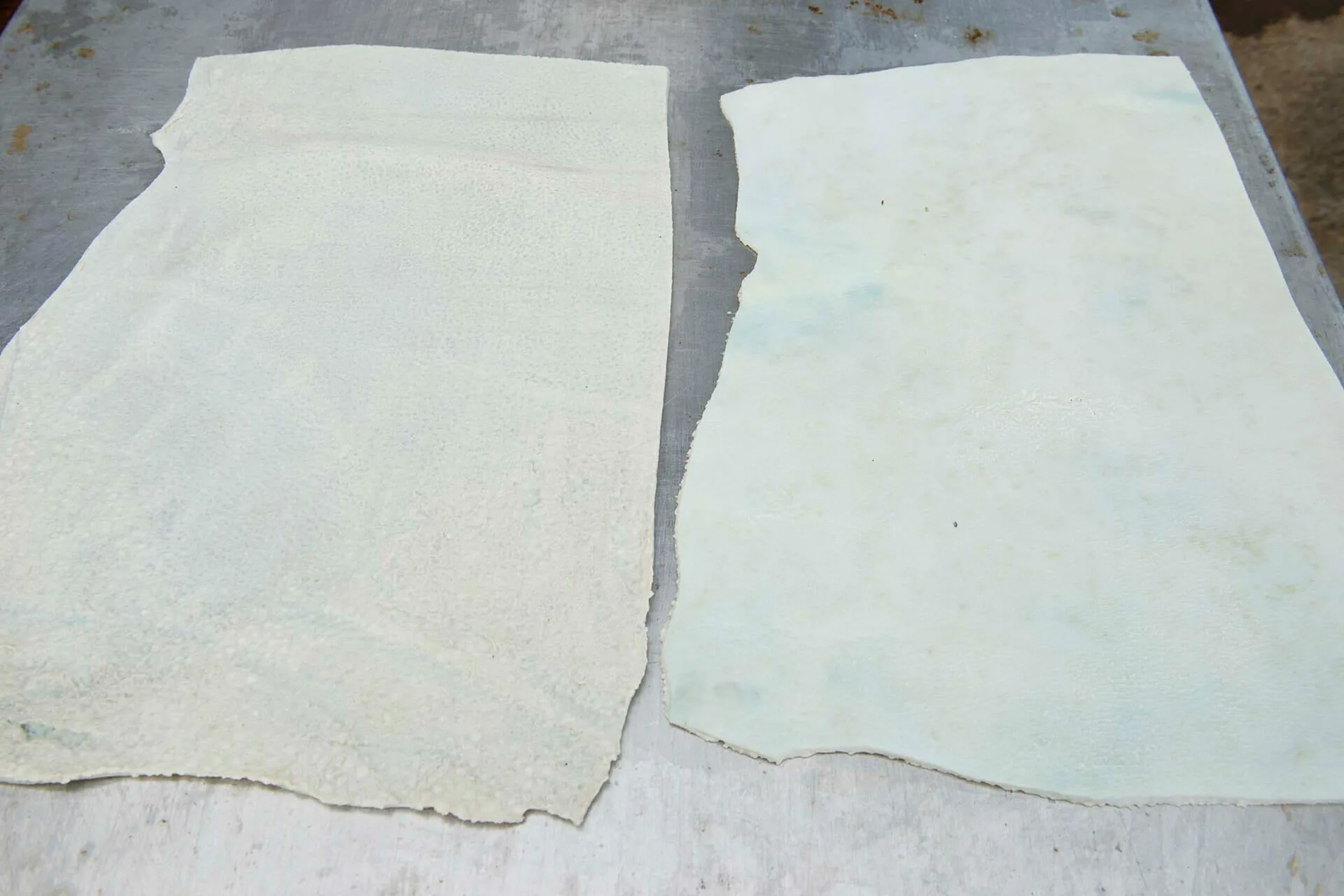
The wisdom of our forebears: using every last bit of heaven's gift
Kawai Sangyo, founded in Mikawashima, moved to Soka in 1948. Once a maker of animal glue, it now specializes in gelatin raw materials under Kazunori Kawai.
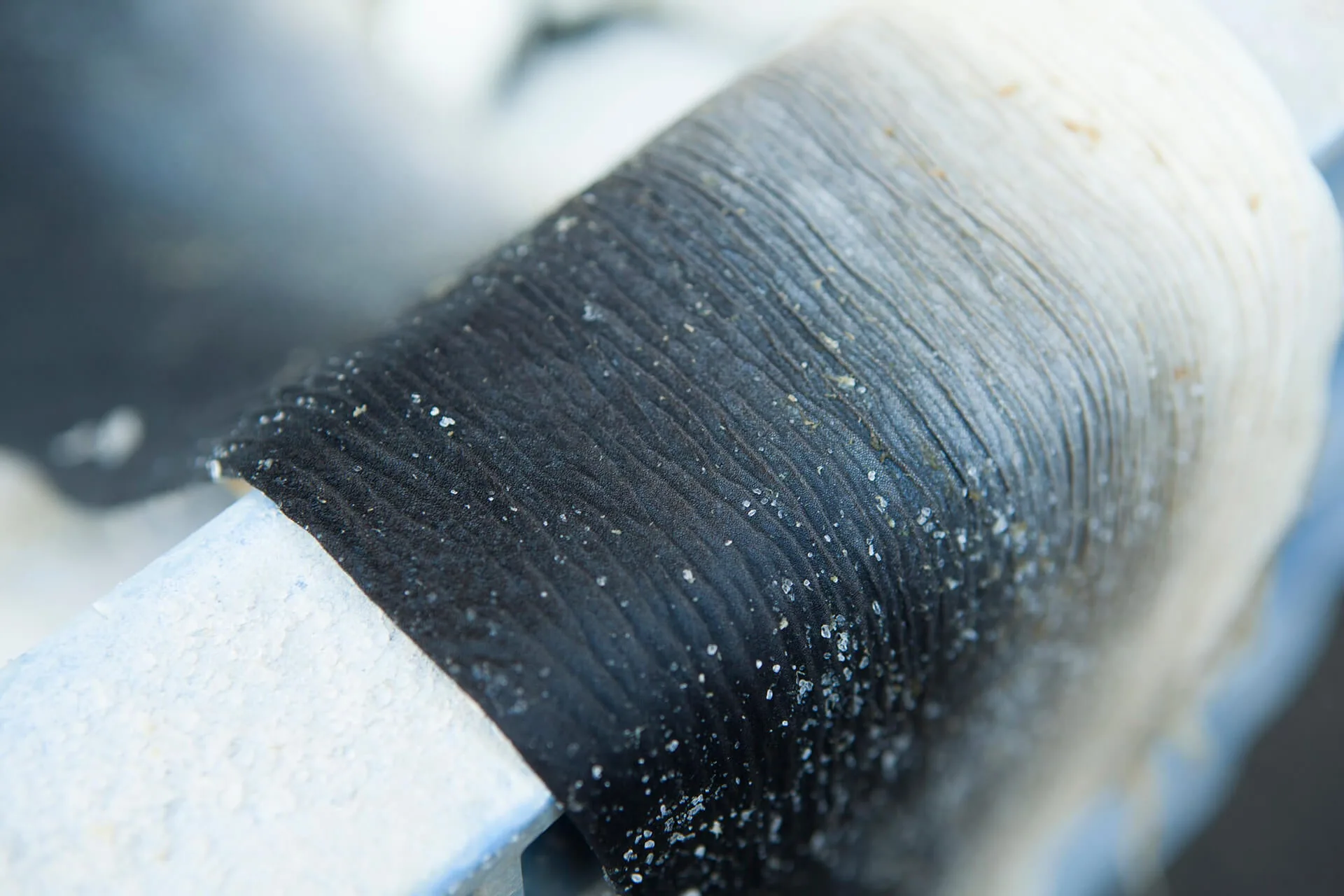
Japan’s own natural leather, full of potential
“Sharks have a fierce image, yet their leather is so refined. That contrast is what drew me in most.”
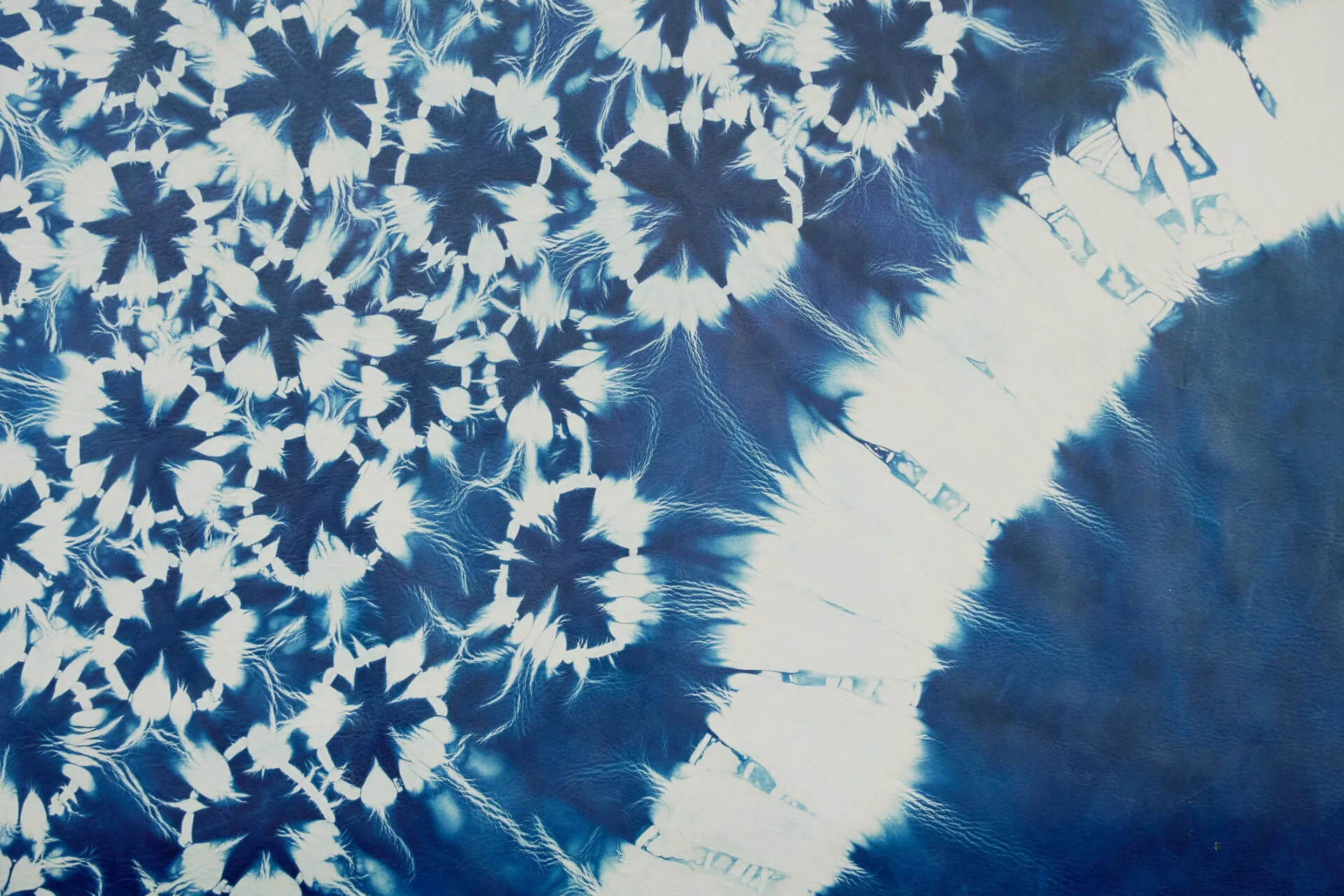
Through a range of pioneering initiatives, an early advocate of a leather lifestyle and sustainable leather
Founded in 1923, Tomita Kogyo is a long-established yet pioneering company that was quick to focus on sustainability and turn it into concrete projects.