




STORIES
- #Materials & Tanneries10
- #Artisans & Workshops9 (selected. Tap again to clear)
- #Brand History5
- #Leather Shoes4
- #Aging & Patina3
- #Sustainability3
- #Bags2
- #Wallets & Small Goods1
- #Everyday Use1
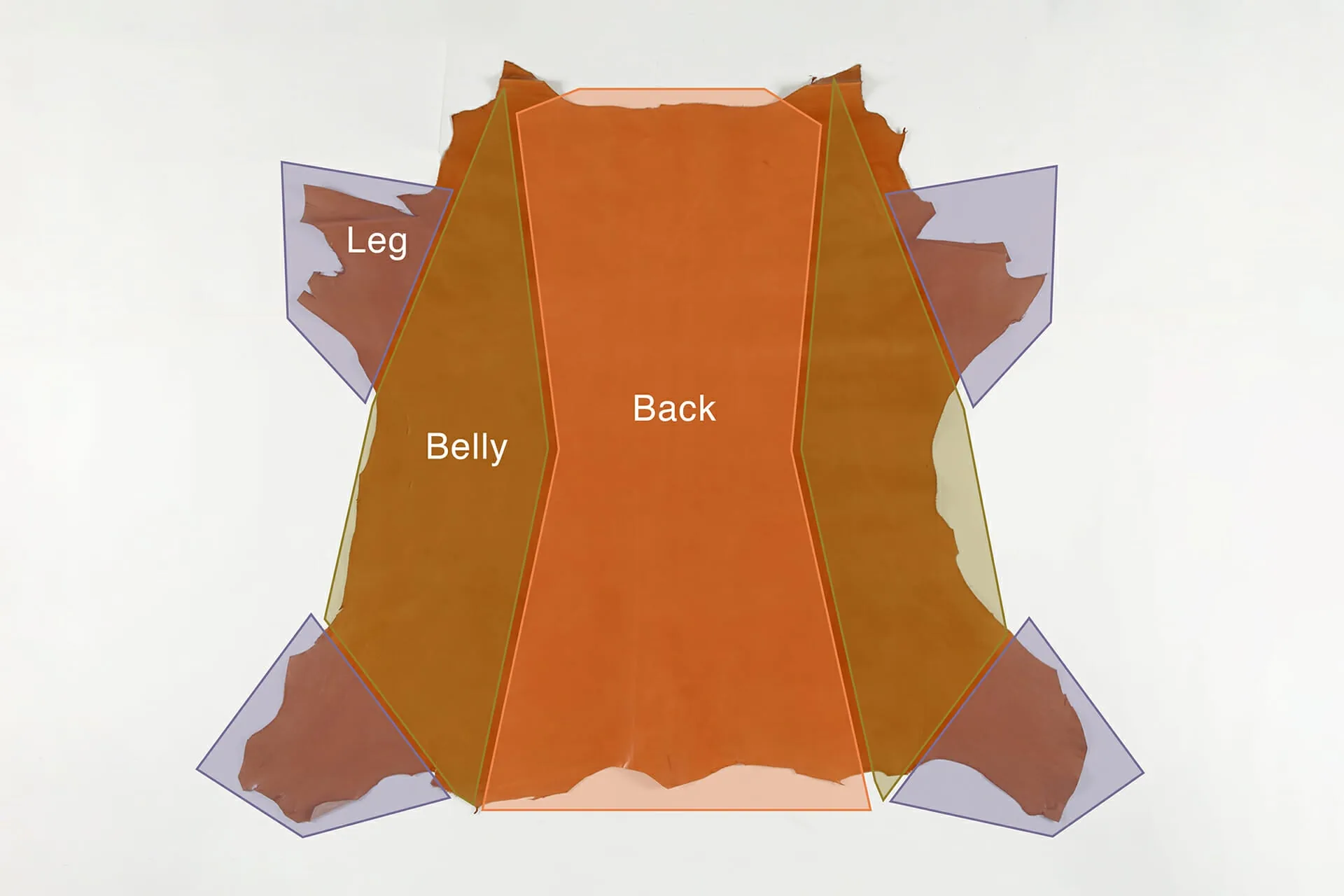
Leather is a “living thing,” and every part has its own “character”: the right part of the hide for the right job
Leather keeps the animal's natural form: a cowhide is firmest at the back and softest at the belly. Even split evenly in tanning, its strength varies by part.
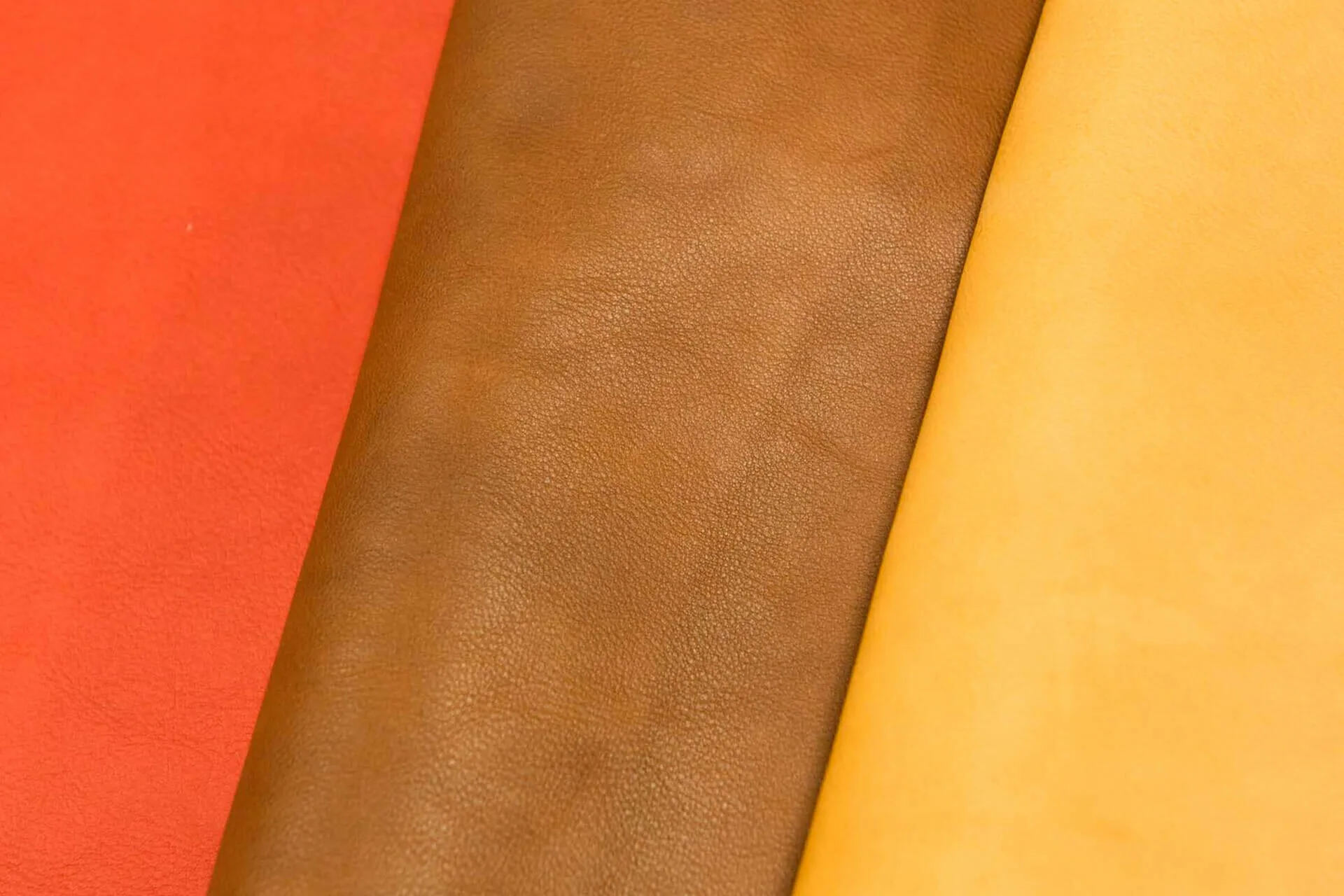
A connoisseur's checkpoints ②: The color of leather
Amano Hokoku, a leather wholesaler founded in the Meiji era, pursues “original leather found nowhere else.” Its keyword today is an “antique feel.”
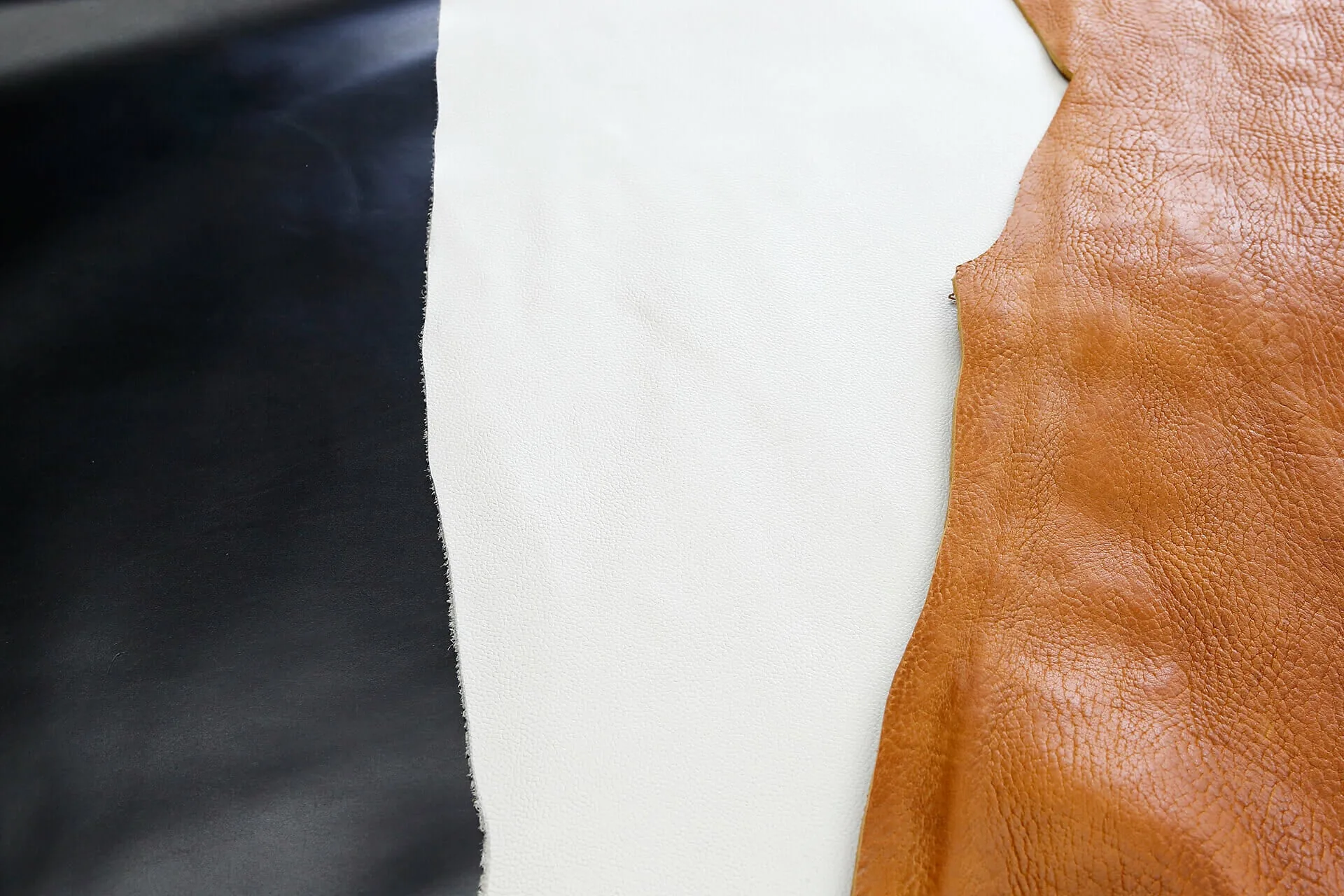
From hide to leather: the tanning process
Hides become leather through tanning, which bonds tanning agents to the collagen fibers of the skin. Most rawhides are imported, but Japan has many tanneries.
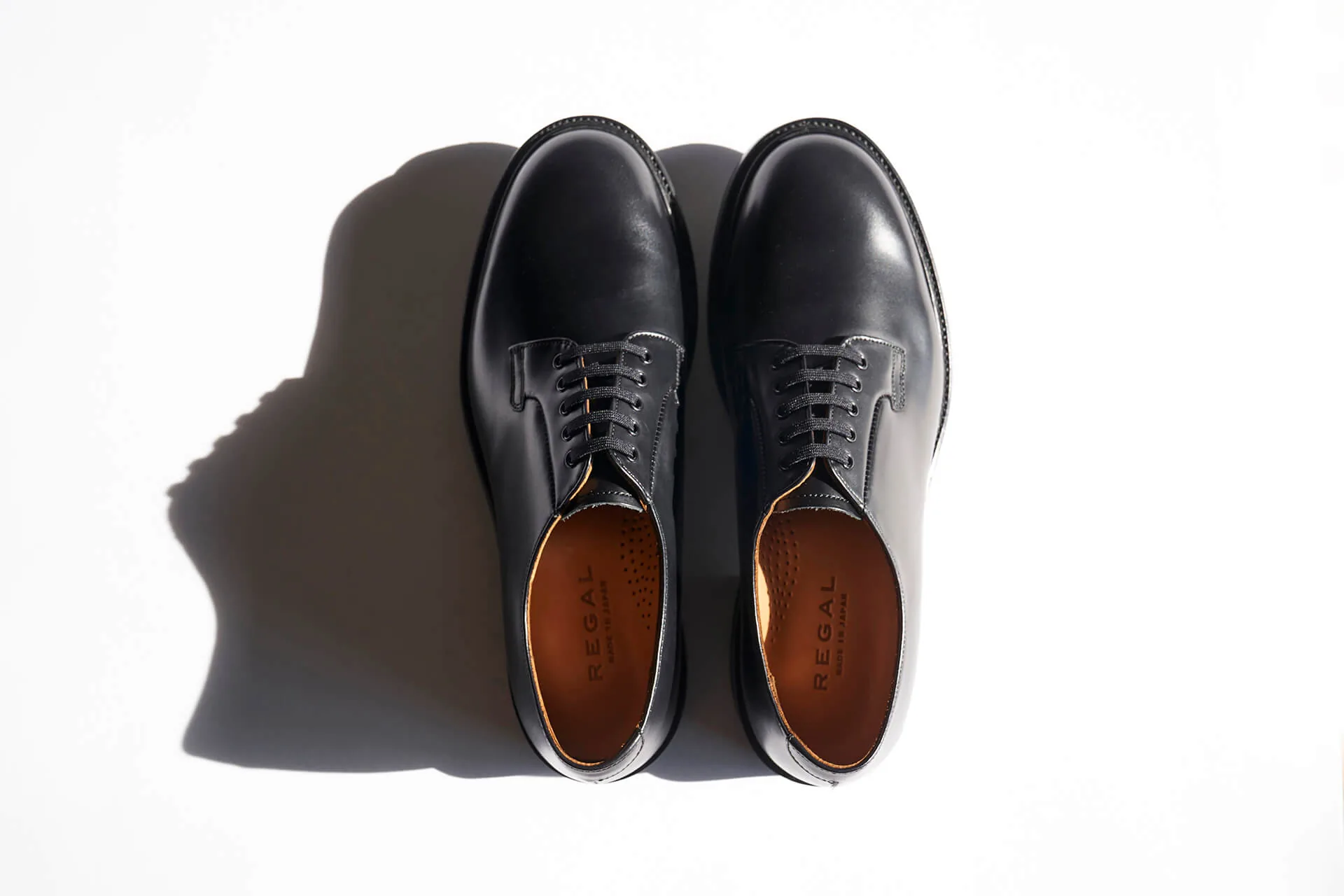
Loved by many men: the long-established maker that has sustained Japan’s leather shoe culture
Over its long history, REGAL has adapted to changing Japanese feet and lifestyles while staying true to quality. Leather shoes remain the brand’s backbone.
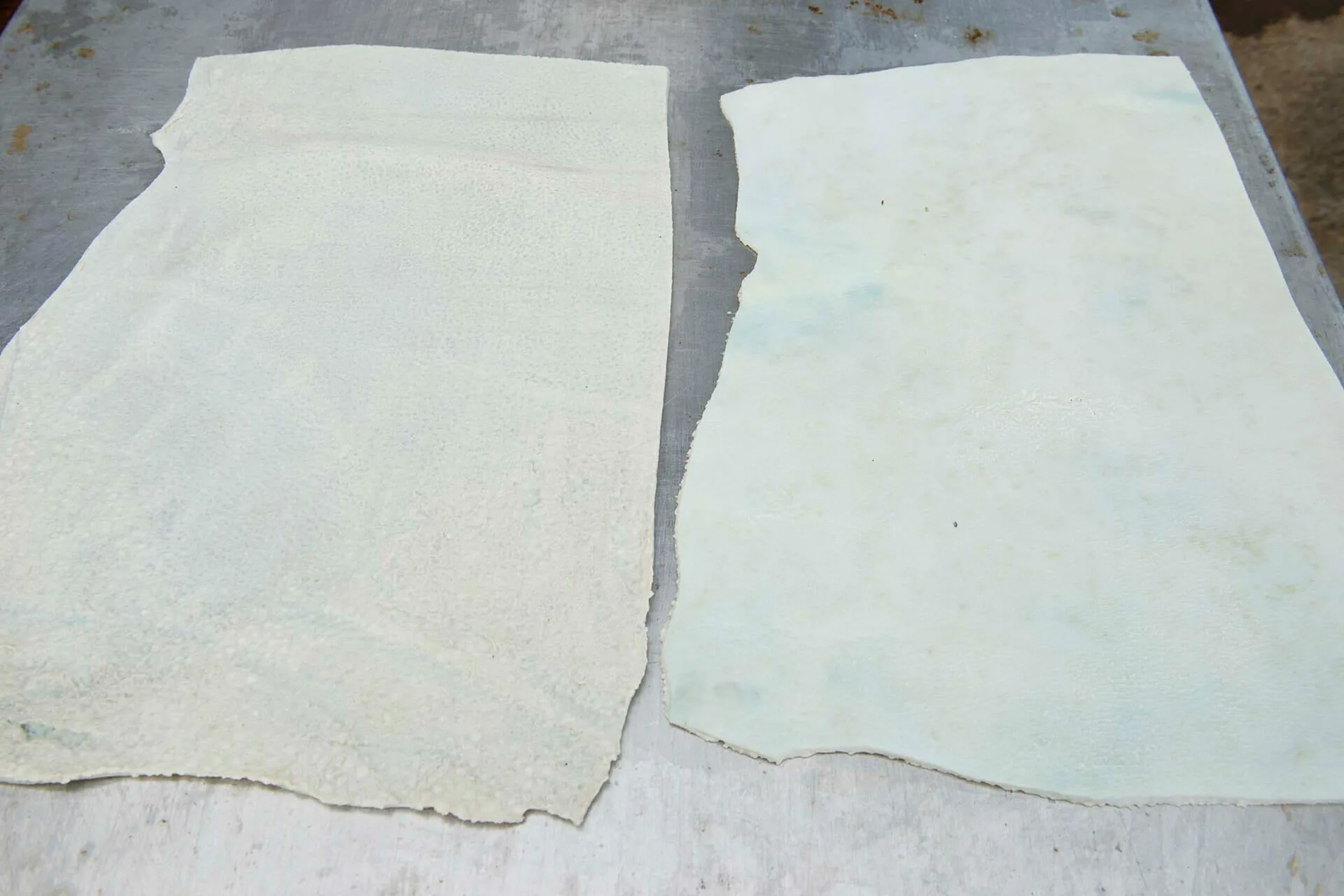
The wisdom of our forebears: using every last bit of heaven's gift
Kawai Sangyo, founded in Mikawashima, moved to Soka in 1948. Once a maker of animal glue, it now specializes in gelatin raw materials under Kazunori Kawai.
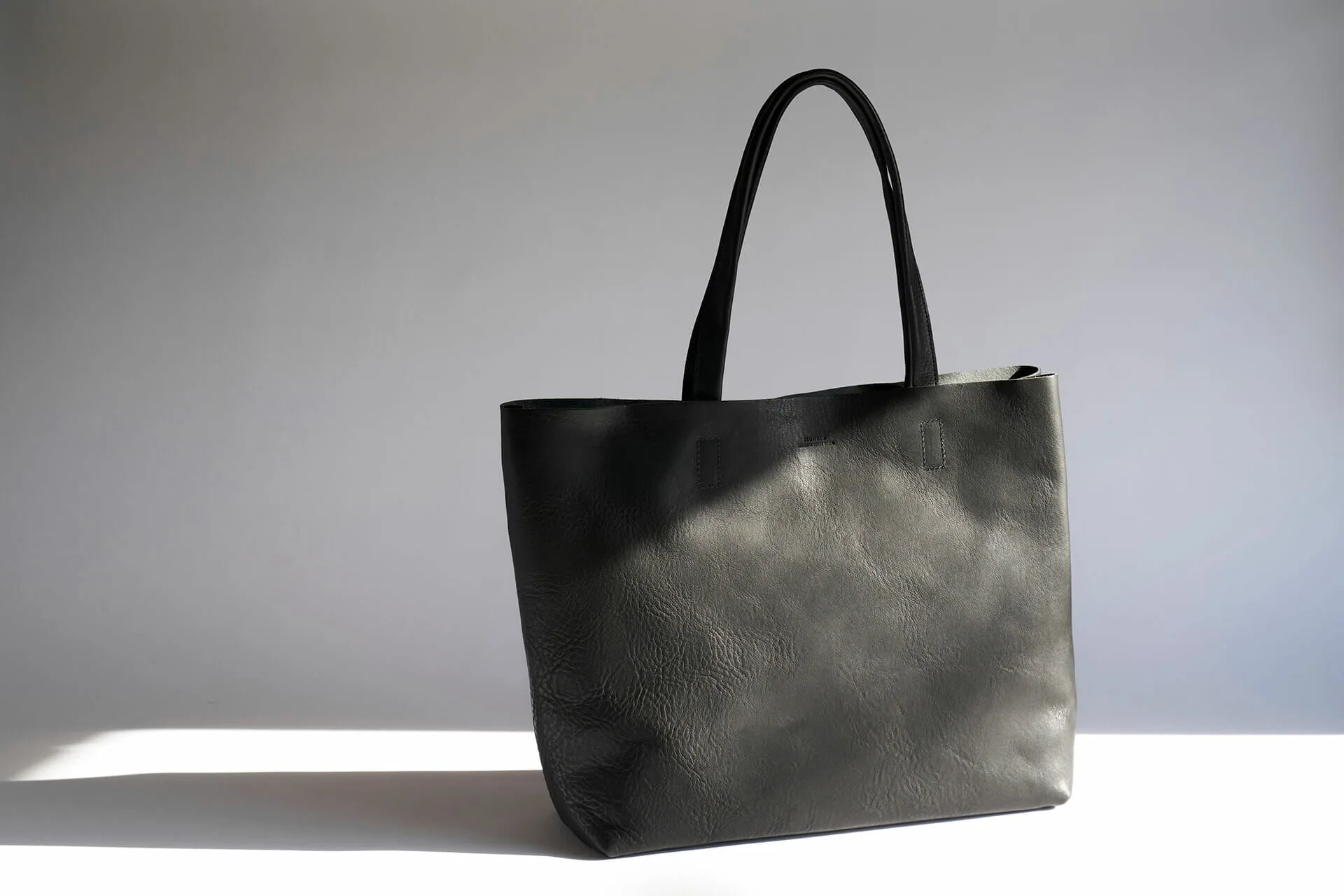
A gem of a collection, uncompromising in every detail, that speaks to leather lovers the world over
Sincere craftsmanship underpins the brand: 20 artisans led by masters in their seventies, many young or female, most of whom trained first on the shop floor.
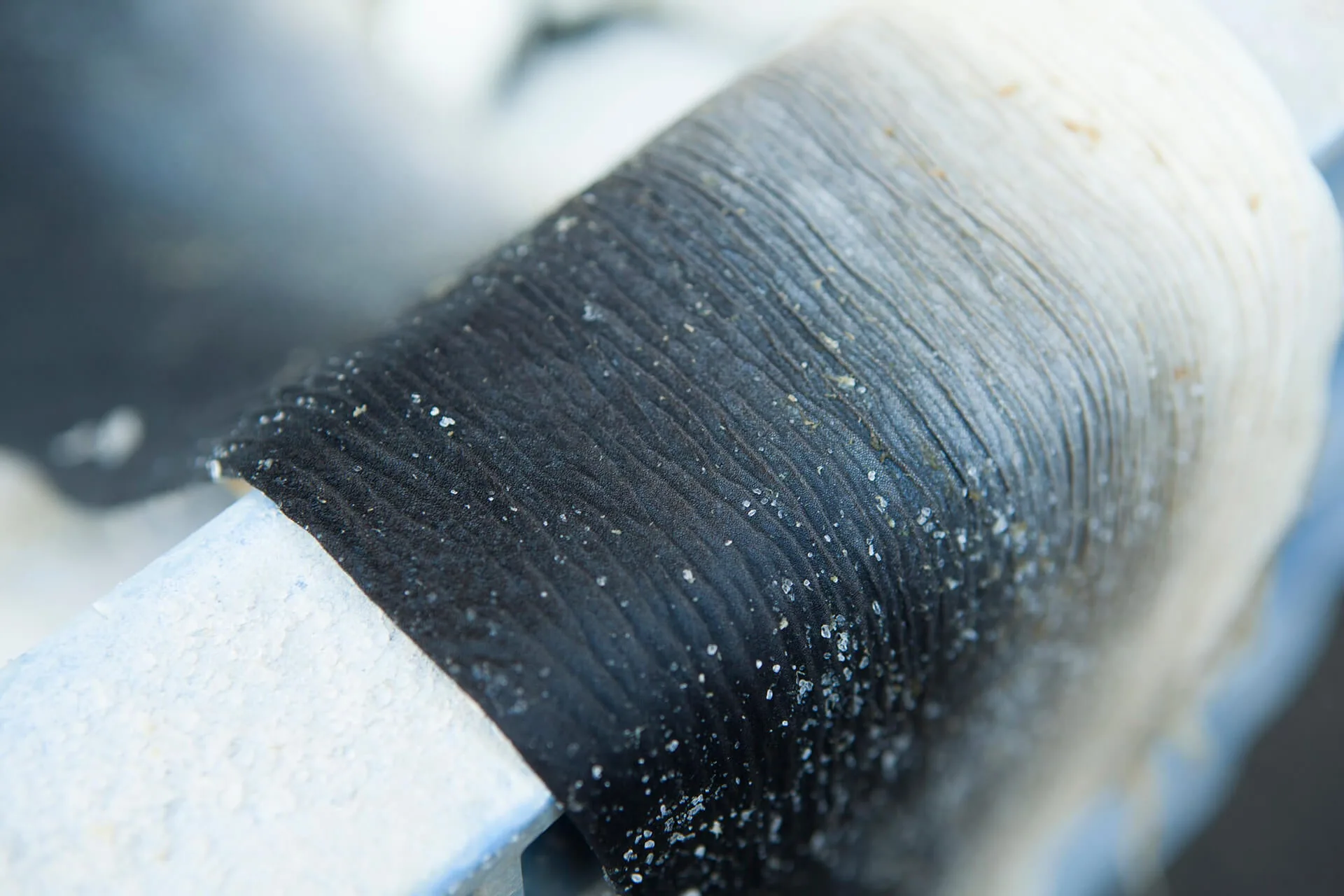
Japan’s own natural leather, full of potential
“Sharks have a fierce image, yet their leather is so refined. That contrast is what drew me in most.”
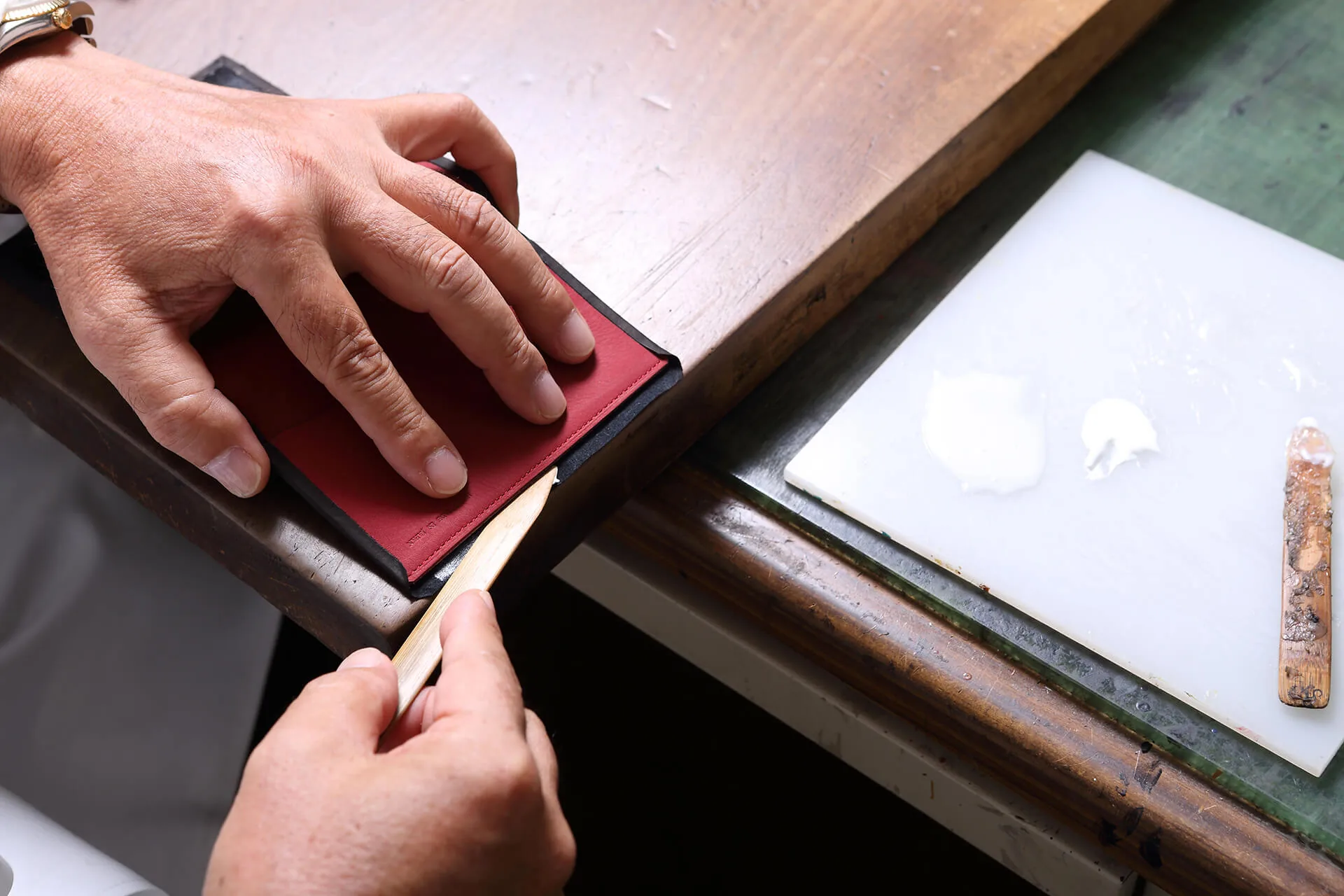
There's skill in that leather: the marks of handwork
The way eyeliner is applied can transform a face. The same is true of leather goods.

Japan’s leather culture: more than 1,000 years of history
Leather-working cultures vary by people, shaped by climate, land, lifestyle and culture; on continents like Europe, neighbors often shared new techniques.