



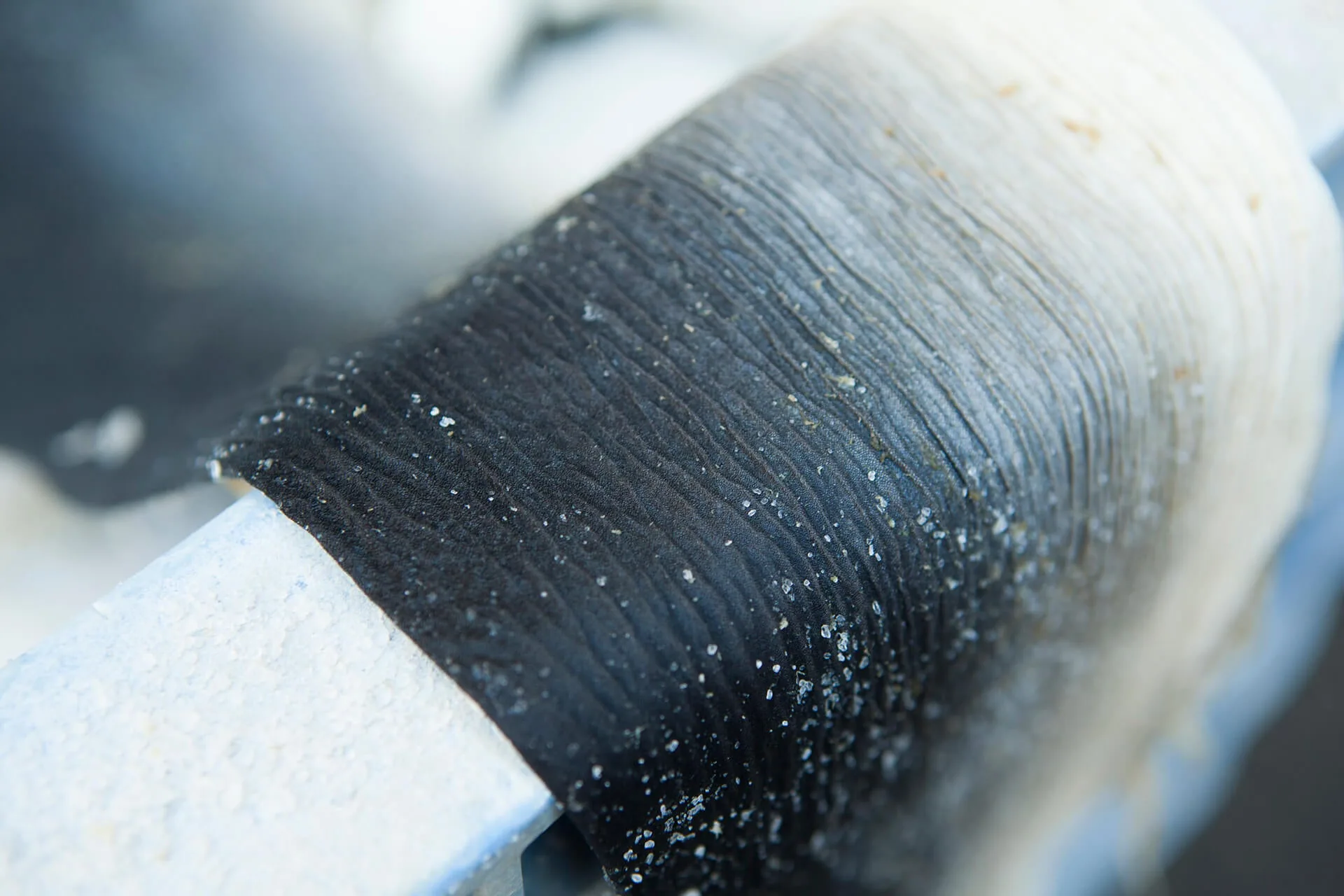
So says Taketo Nakagawa, a director of Lepto Shark. The shark leather card case he takes from his pocket exudes elegance. The staff member, who sorts through several hundred shark skins a day, goes on:
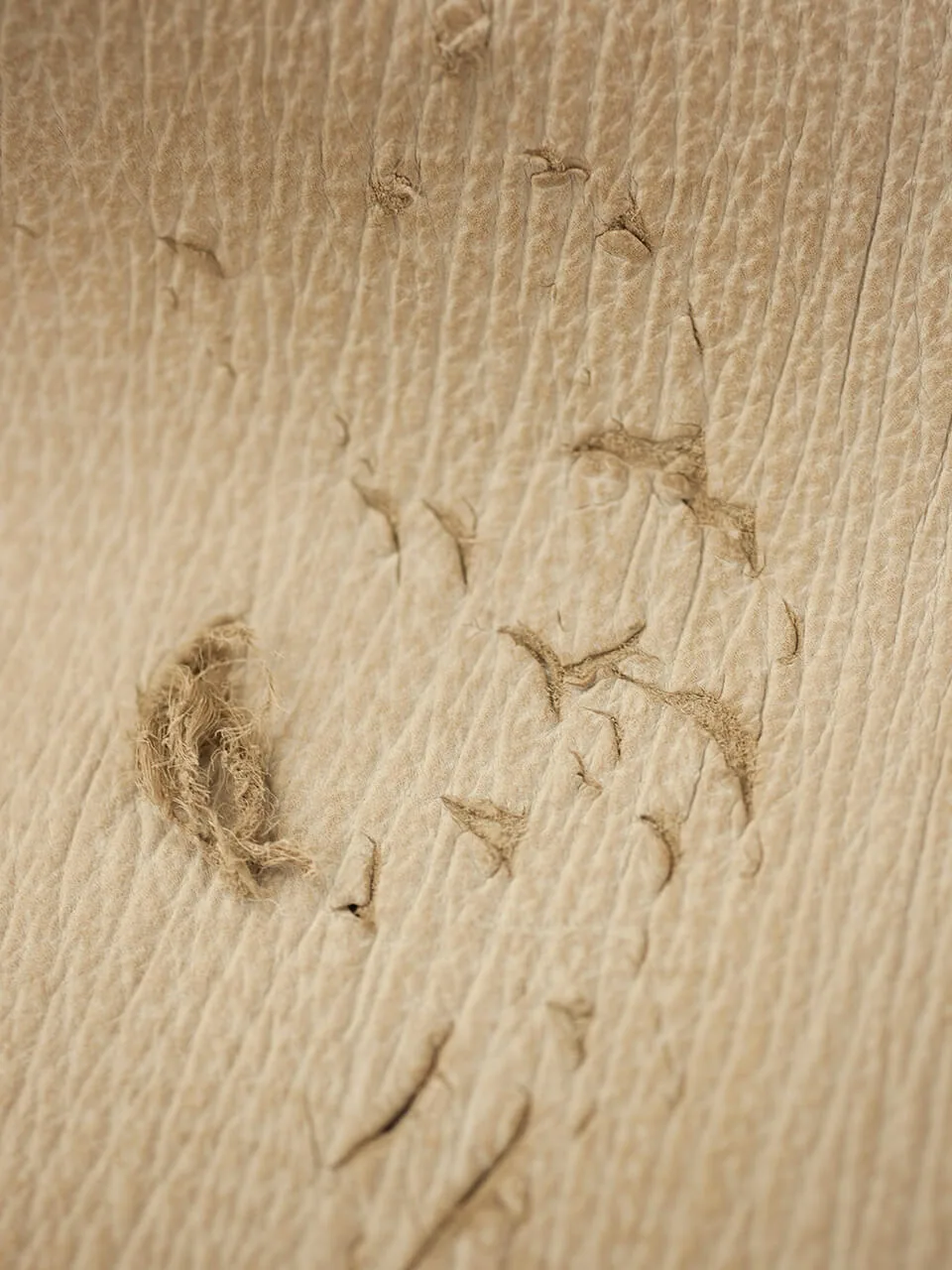
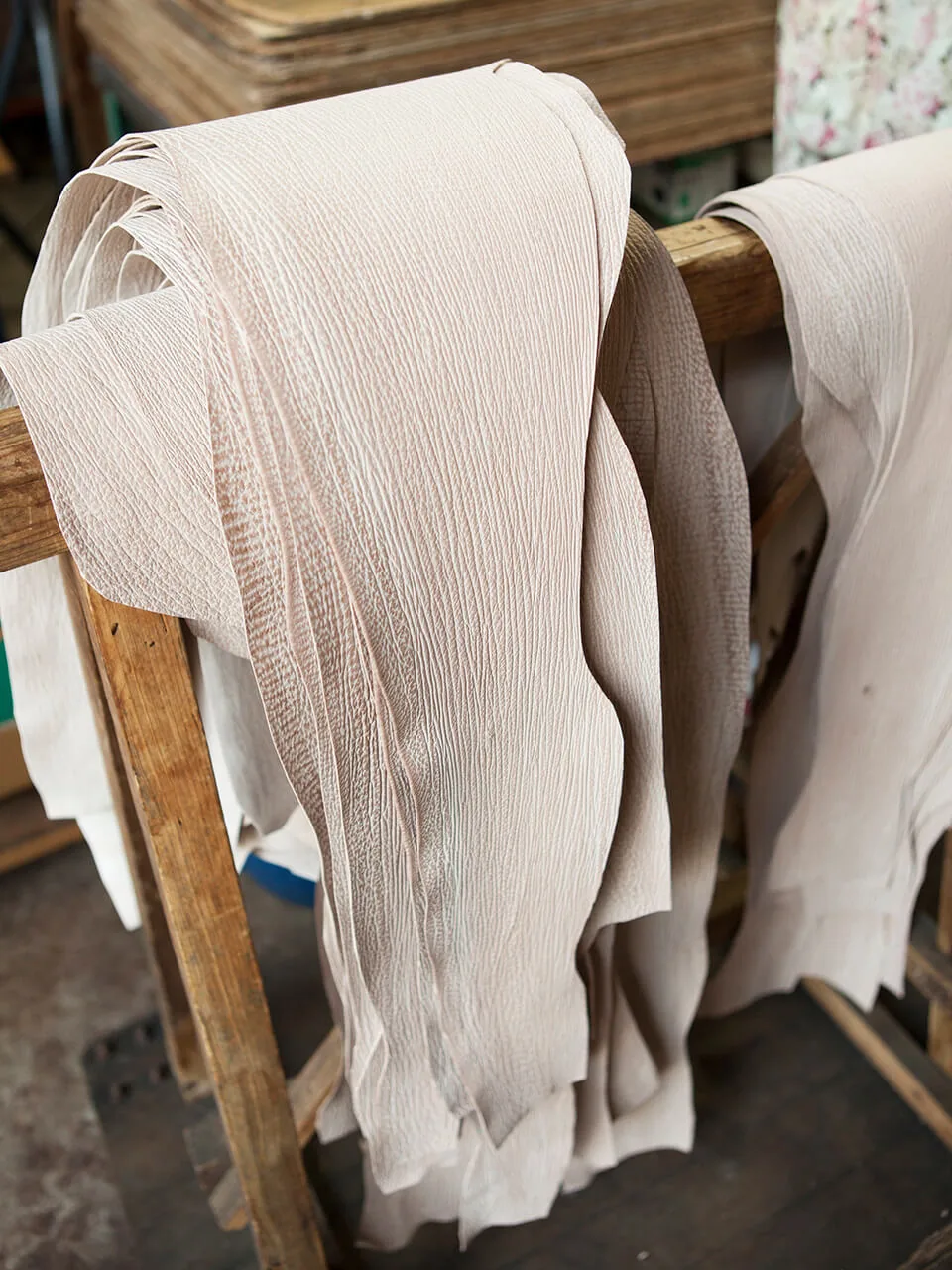
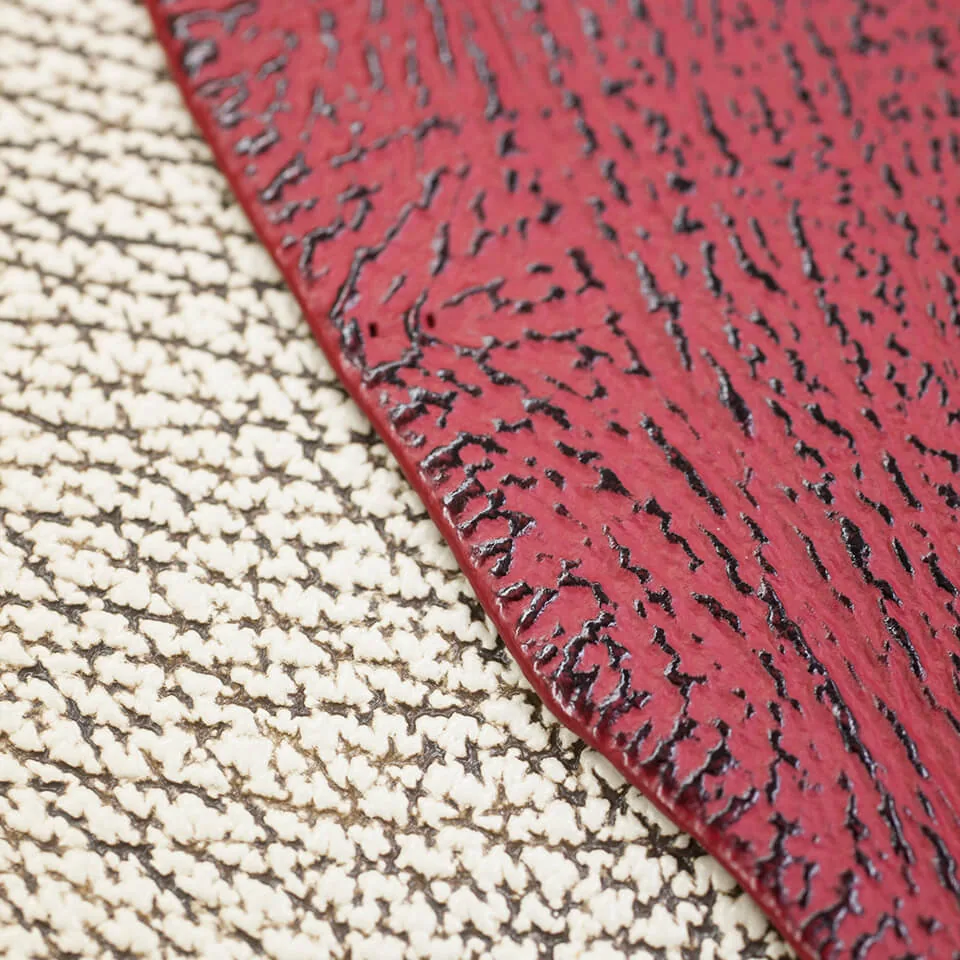
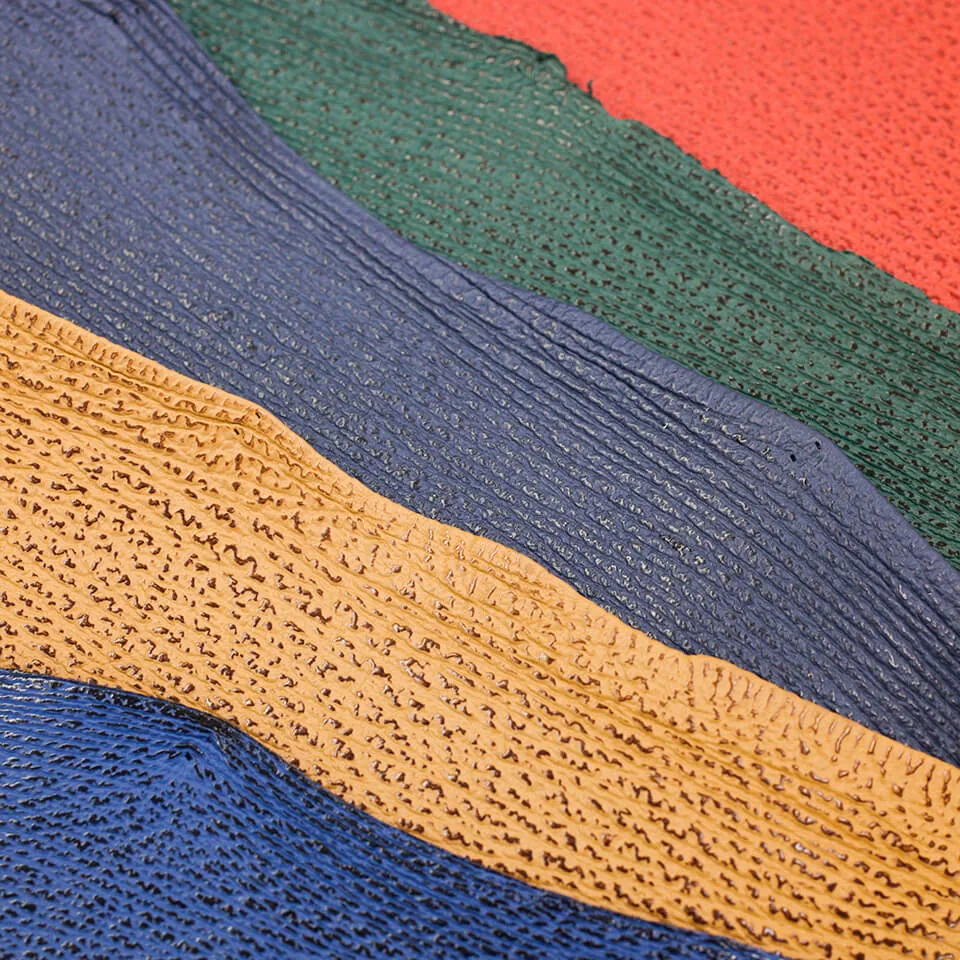
“It doesn’t have the name recognition of cowhide or the flashiness of ostrich; it’s a modest leather. But its grain side bears beautiful wrinkle patterns, and it firmly asserts itself.”
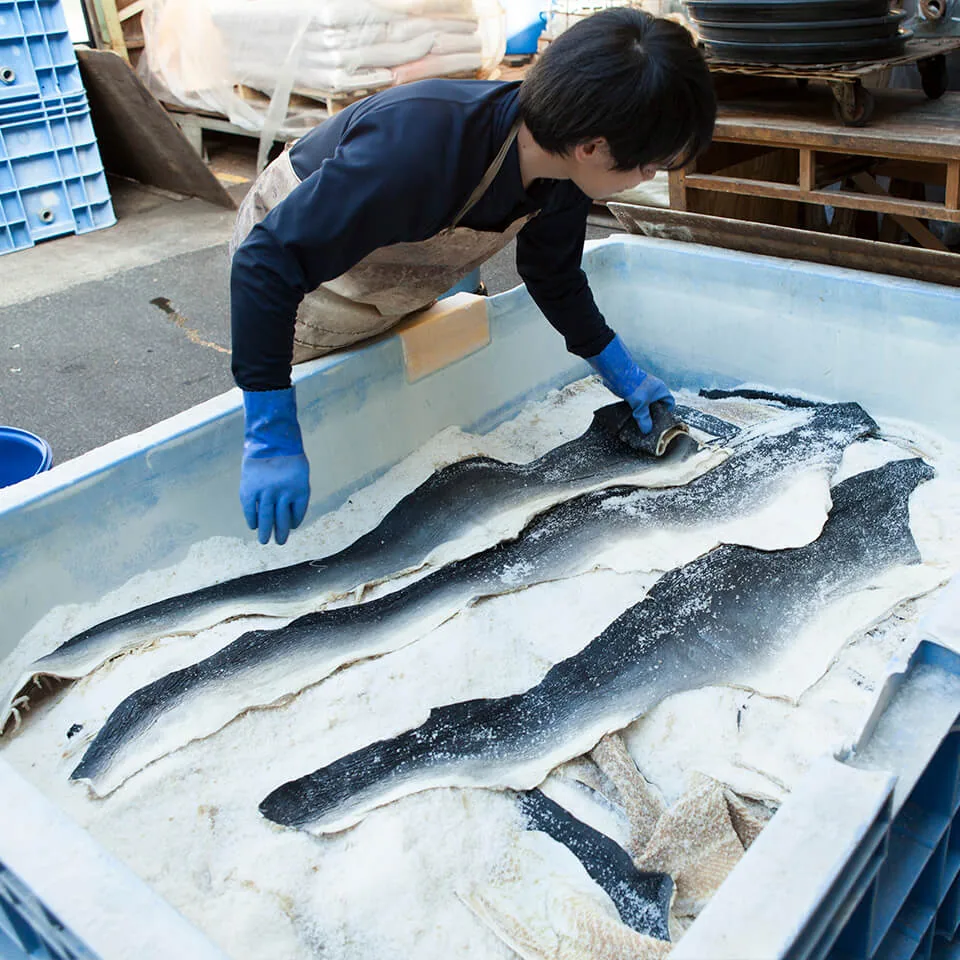
The raw shark skins come from the fishing port of Kesennuma, Miyagi Prefecture, which lands more sharks than anywhere else in Japan. The port was devastated by the 2012 Great East Japan Earthquake, but Nakagawa teamed up with Mr. Murata of Murata, the largest shark processor, with whom he already did business, and in 2013 they launched “Lepto Shark,” a company specializing in processing shark skin. The skins are currently processed at a factory in Nagano Prefecture, but there are plans to build a factory in Kesennuma as well, so the business can contribute to the city’s recovery as a local industry.
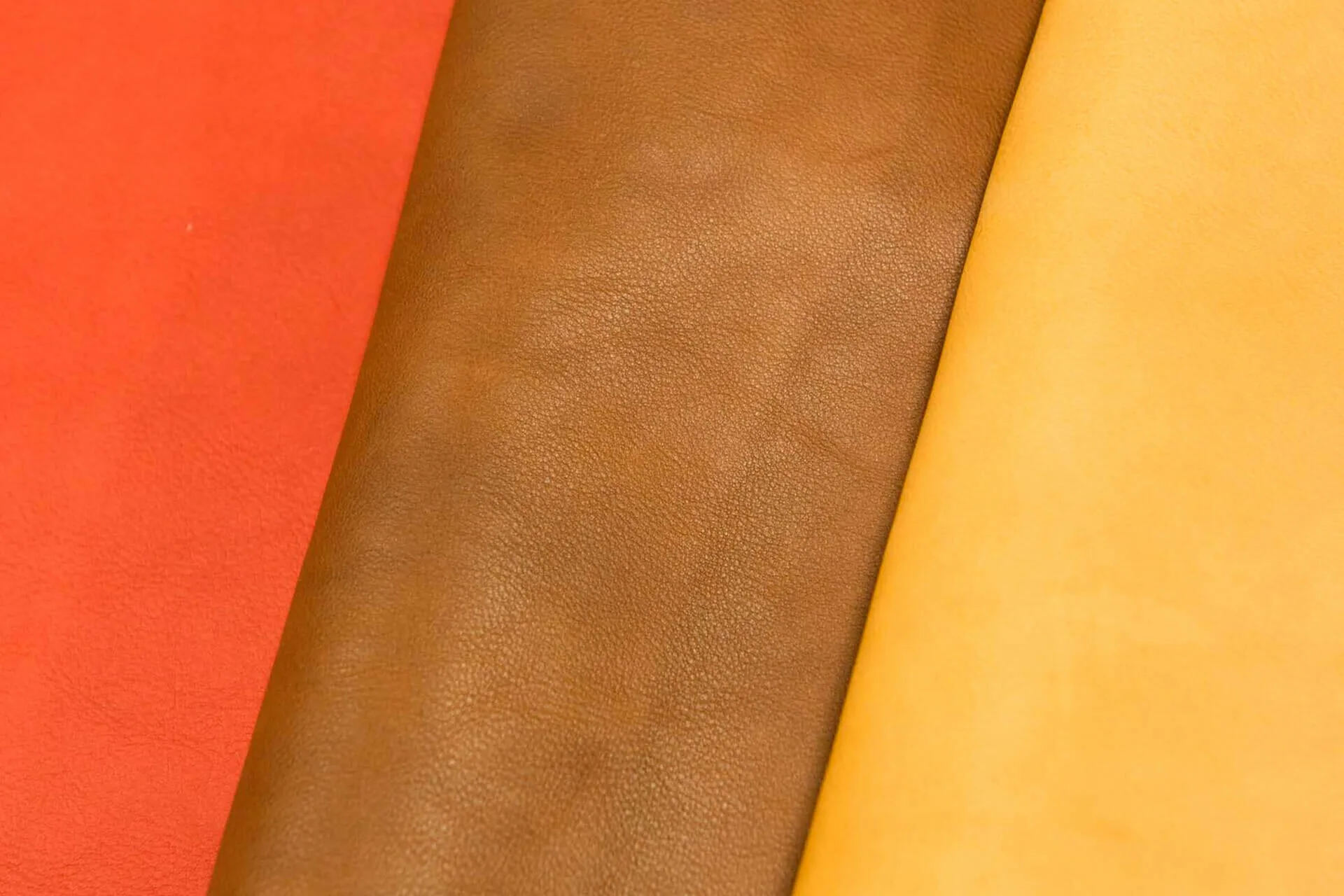
Shark skin has long been used, and today, with more advanced techniques, it has become a supple, light and durable leather material.
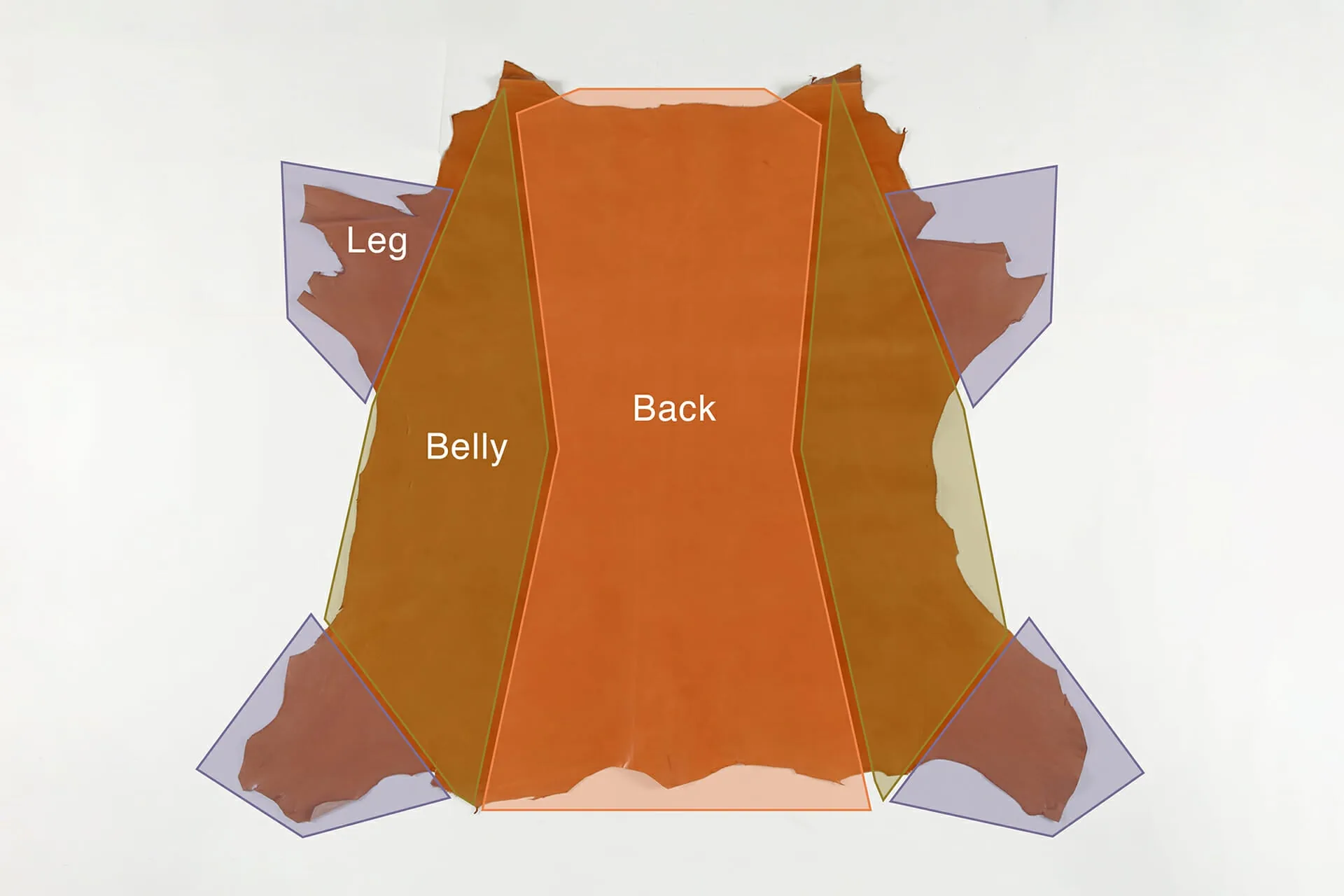
Sharks may call to mind huge bodies several meters long, but the species used here is the blue shark, a medium-sized shark known as a source of shark fin, a luxury ingredient in Chinese cuisine. Males and females differ: males are a size smaller than females, with finer, more beautiful patterns. Some females bear multiple wounds, inflicted when males bite them during mating. Some even die from them, showing that shark reproduction is truly a matter of life and death. Sharks are also easily scarred when landed and hauled with hooked poles, so only about 10% of the catch can be used as leather.
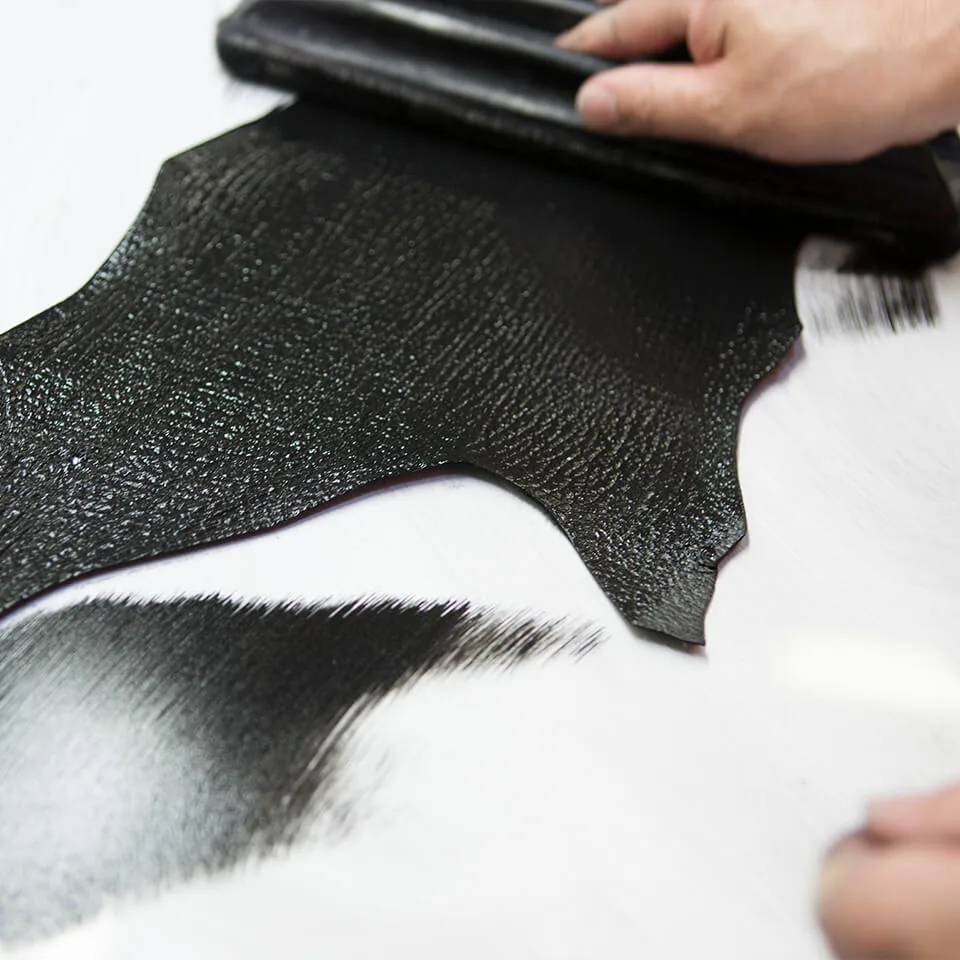
The tanning process is not so different from that of cowhide, but it requires a step to remove the scales. Unlike cowhide, shark leather has no hair follicles, so it resists water and is less prone to shrinking when wet.
“Most raw hides for leather goods are imported, but shark skin is one of the few that can be sourced in Japan. And unlike livestock, it is a natural material from creatures that grew up in the ocean, which makes it rare and valuable. Right now demand is almost entirely domestic, but we want to export much more overseas in the future.”
Nakagawa says with enthusiasm.
The recovery of Kesennuma, and exports overseas: shark skin is a Japanese leather full of potential.