

The House of Japan Leather
STORIES

Checkpoints for judging leather 1: thickness

Checkpoints for judging leather 1: thickness

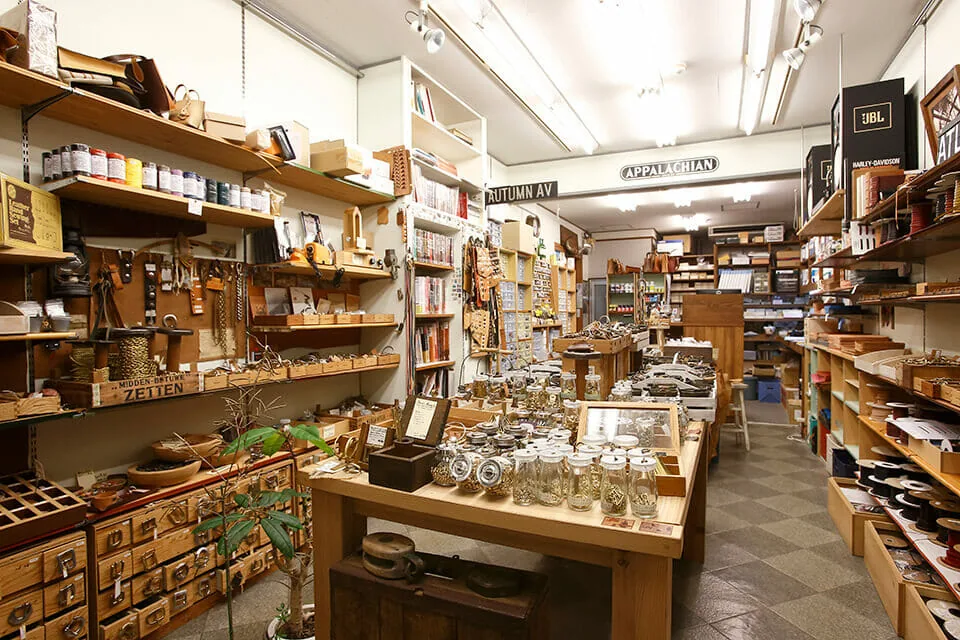
Leather Craft Phoenix began as what is known as an “atsumono-ya,” a dealer specializing in thick sole leather for shoes, and to this day it stocks a wide range of thick vegetable-tanned leathers and bends.

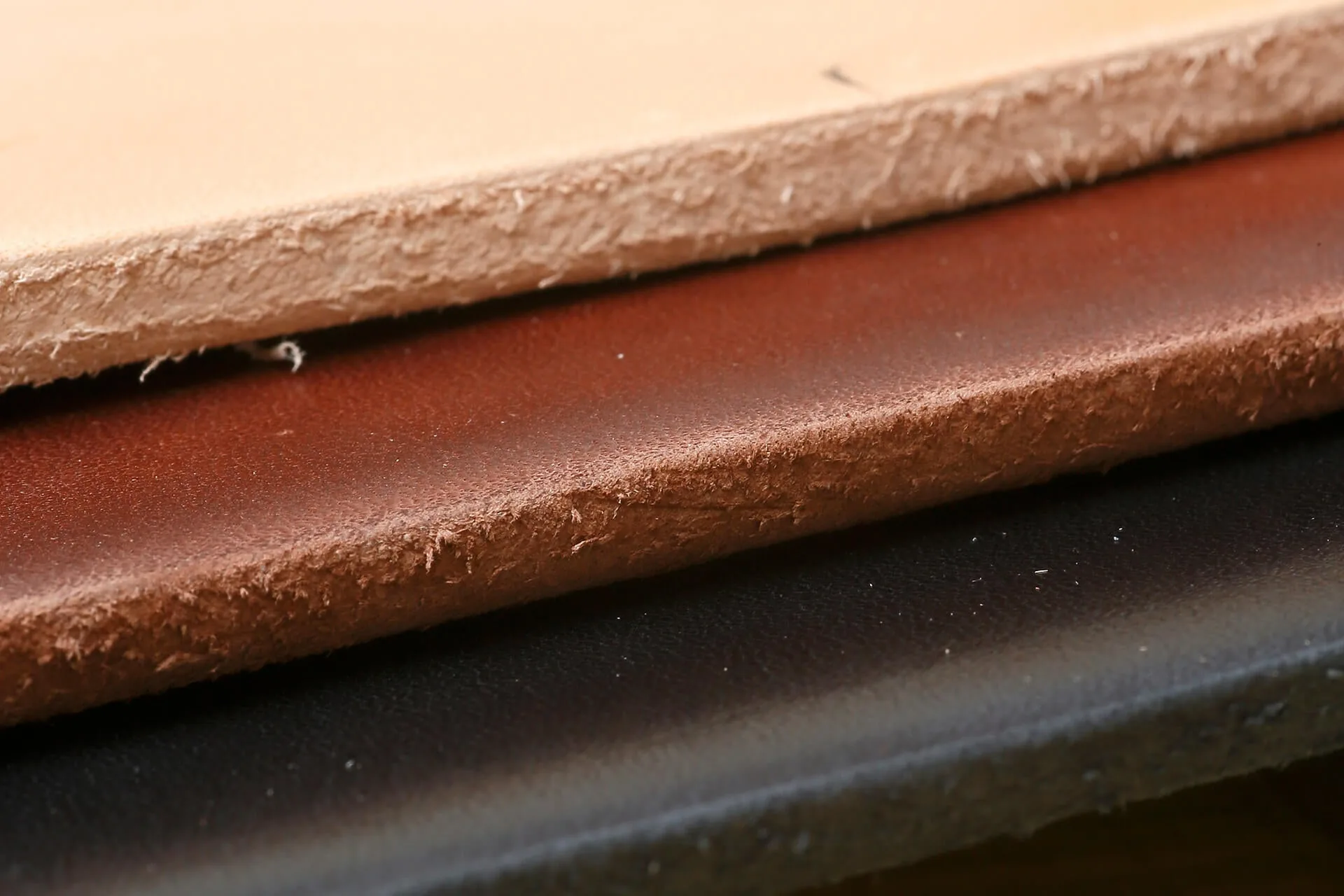
The appeal of thick leather, we are told, lies in the firmness that comes with its thickness.

“The fibers are dense, so it doesn’t lose its shape easily.”

So says Mr. Yoshikawa, whose recommendation is Shonan Glazing Bends. This thick leather is made from North American steer hides and is carefully tanned over two months.

“First you need a secure source of top-quality hides. Next, a powerful setting-out machine, of which only a few exist in the world, to stretch leather this thick out flat. And then experience and know-how. Only when these three come together can you make top-quality thick leather.”

The luster produced by rubbing the surface of the leather with a glass ball is beautiful, too.

“It absorbs the oils from your hands and ages beautifully, all on its own.”
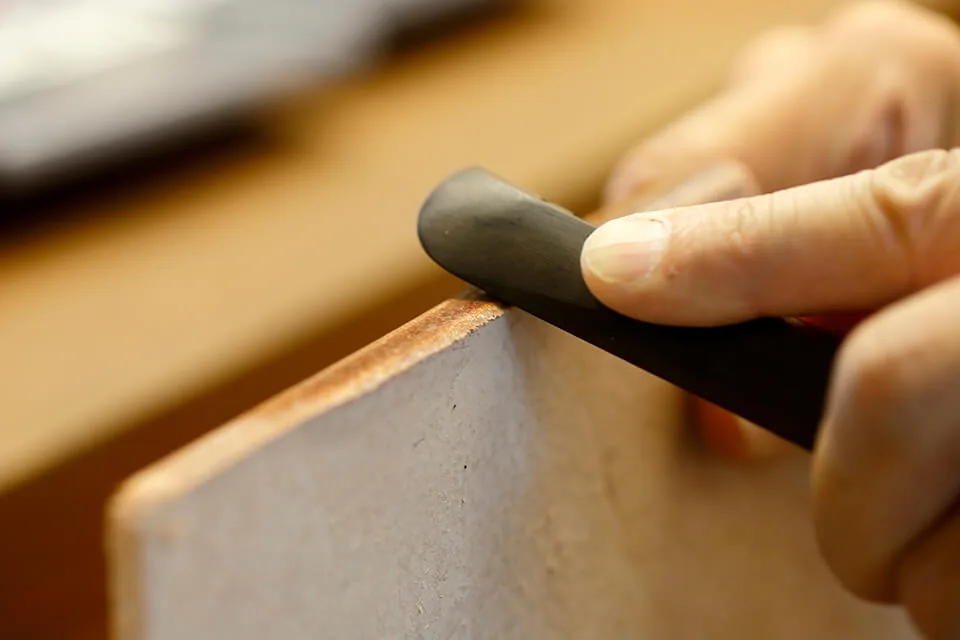
A cut edge that shines even before finishing is proof of dense fibers. The edges finish superbly, too.
Checkpoints for judging leather 1: thickness

Around 40 kinds of leather, sourced from tanneries and wholesalers, are kept as regular stock.

Checkpoints for judging leather 1: thickness

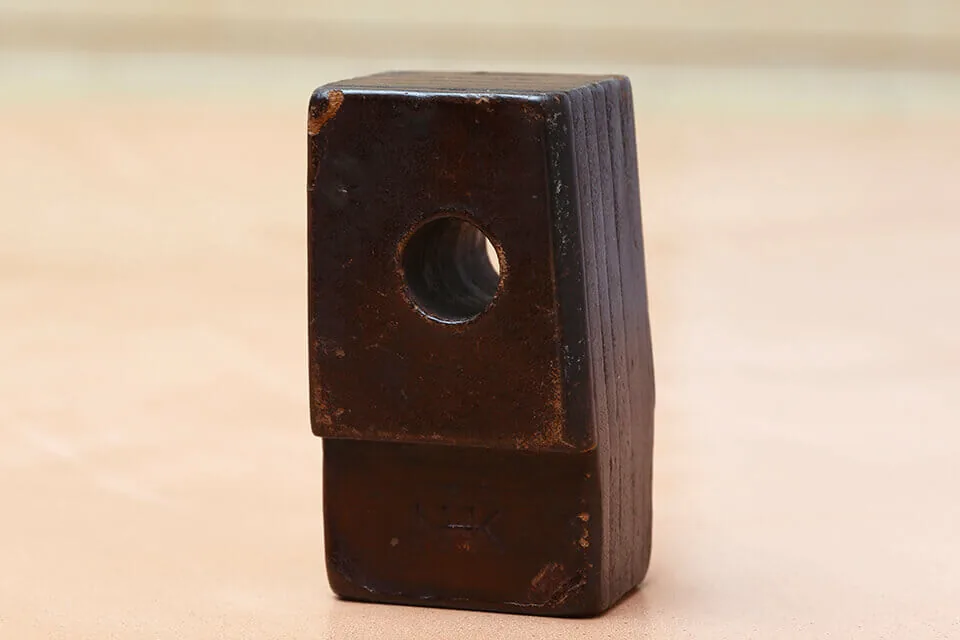
The loom pickers used in the early Showa era, when the spinning industry was booming, were also made from thick leather like this, prized for a strength that withstood yarn passing through at high speed.

Articles in the same category