

The House of Japan Leather
STORIES

The wisdom of our forebears: using every last bit of heaven's gift

The wisdom of our forebears: using every last bit of heaven's gift

Kawai Sangyo, founded in Mikawashima in Tokyo's Arakawa Ward, moved to Soka City in 1948. At first it mainly produced nikawa, or animal glue, but under fourth-generation head Kazunori Kawai it came to specialize in raw gelatin stock and gelatin raw materials. Today Kawai is one of Japan's foremost behind-the-scenes specialists in gelatin raw materials.

“Gelatin is collagen—one of the proteins found in animal bones and skin—that has been extracted and refined. Its history goes back more than a thousand years. Originally it was used as an adhesive; in Japan, likewise, nikawa glue served that purpose. By further refining the production methods and purity of the raw material, gelatin and collagen are now made for food and pharmaceutical use.”

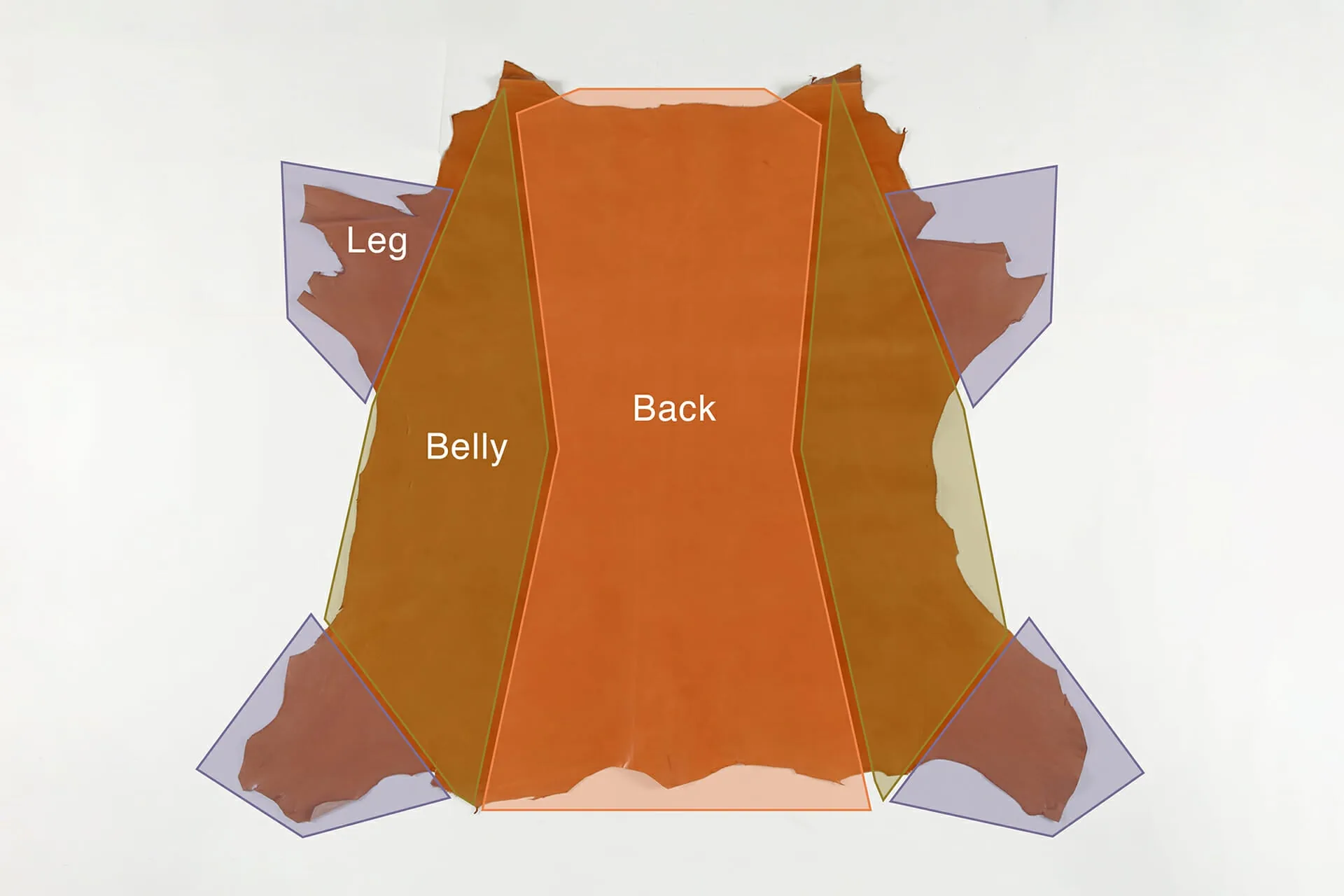
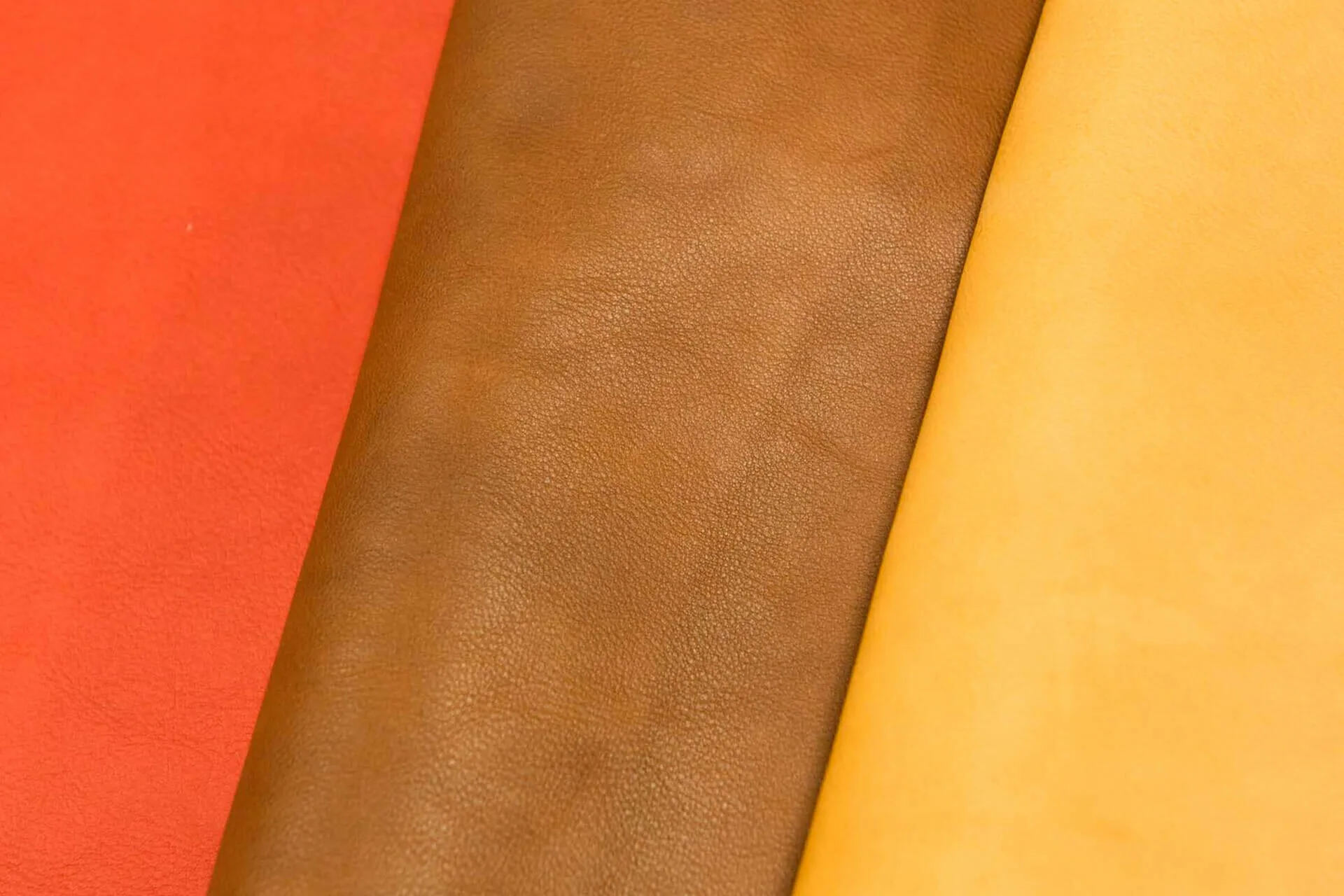
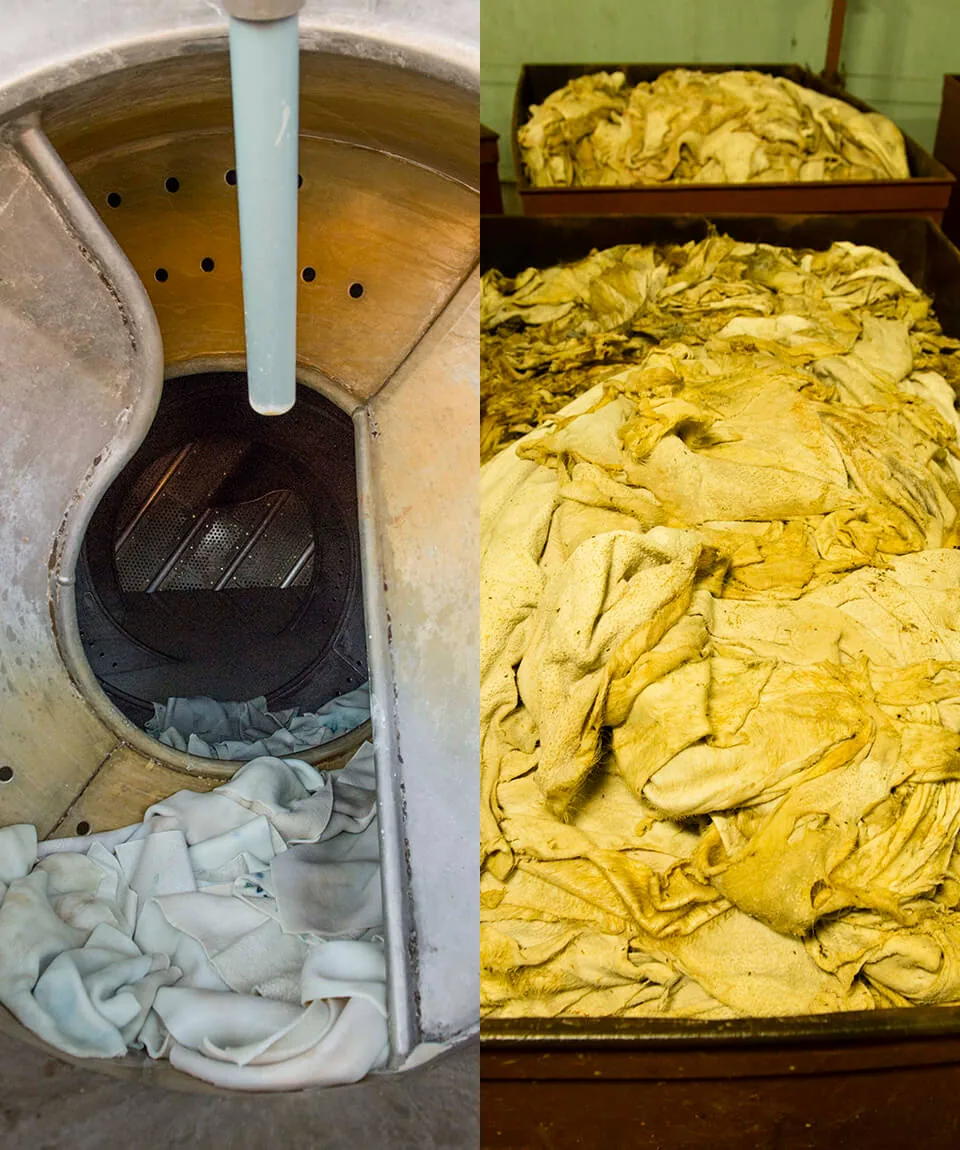
Rawhides are sorted into grades—the higher grades, and then what the trade calls peke hides, the rejects. It is these peke hides that become gelatin and glue. As with tanning leather, the process uses a drum (see the manufacturing process below).

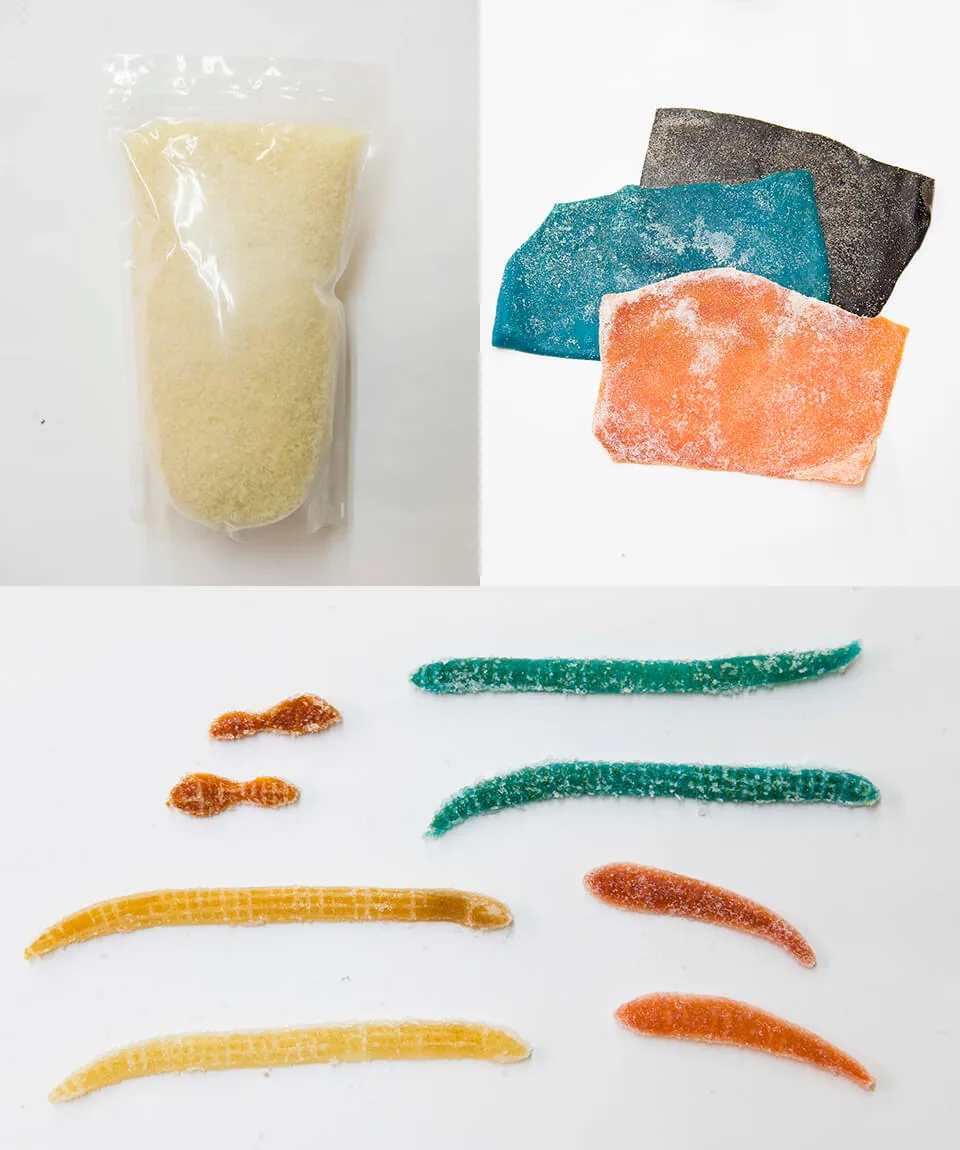
“Photographic film was actually a major market for gelatin. The arrival of digital cameras hit the industry hard, but collagen for health foods and cosmetics began to grow in popularity, filling that gap, and that is where we are today. As our next move, we worked with a research institute to develop collagen raw material for fishing lures. It is catching on, especially around the Fuji Five Lakes, where plastic lures are banned.”
Manufacturing process

The wisdom of our forebears: using every last bit of heaven's gift

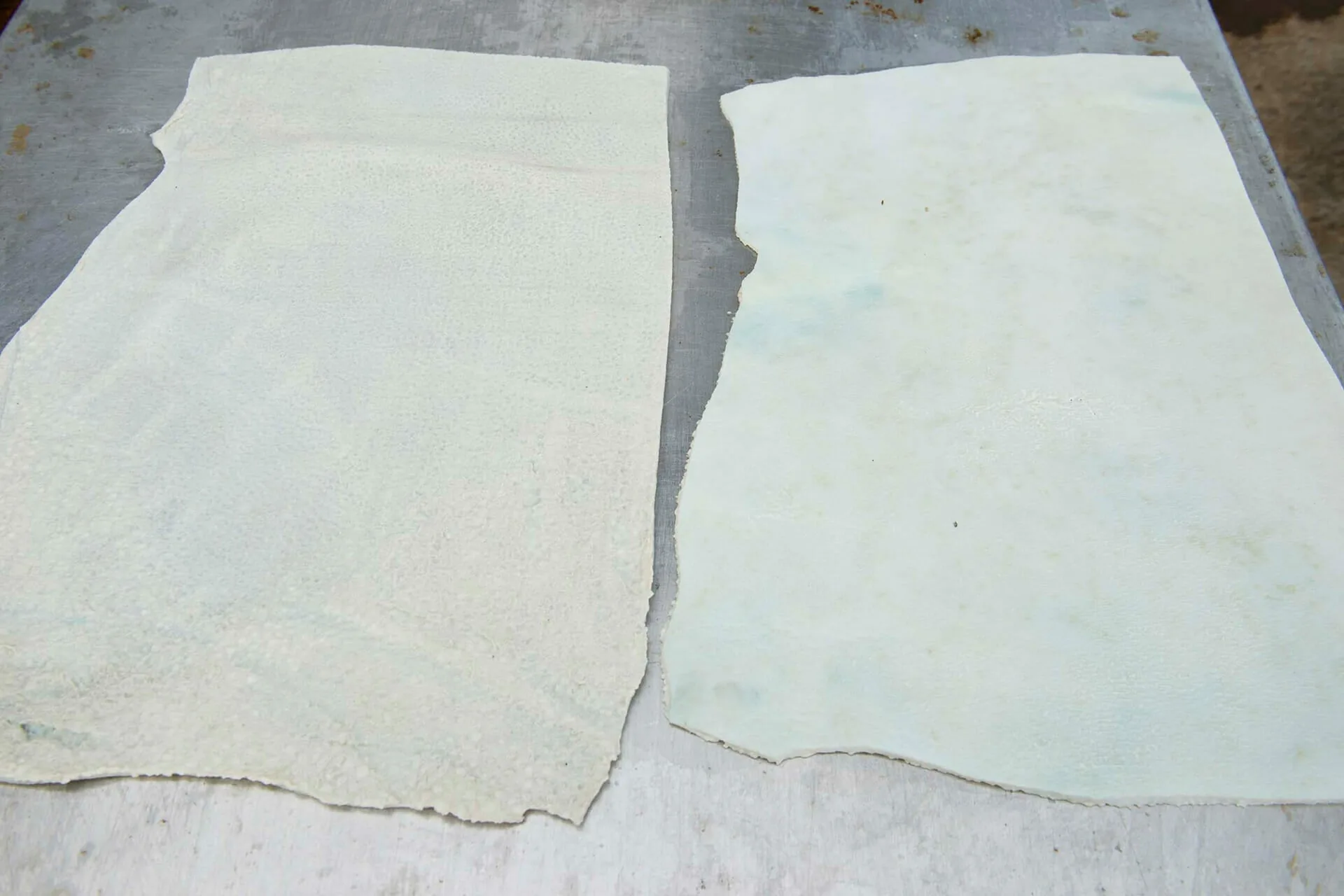
The rawhides are soaked in a mixer-type drum filled with limewater and given an alkaline treatment for about a week to remove hair, fat, and other unwanted impurities. The pH is then adjusted, and several days of washing bring the material to neutral. At the gelatin manufacturer it is delivered to, it goes through heat treatment, filtration, extraction, and other steps before final drying, emerging as products such as gelatin and collagen.

Uses

The wisdom of our forebears: using every last bit of heaven's gift

The uses are wide-ranging: food, such as jelly and sake; pharmaceuticals, such as capsules, tablets, and lozenges; and industrial applications, such as photographic film. Pictured below are the lures that Kawai Sangyo helped develop and bring to market.

Articles in the same category