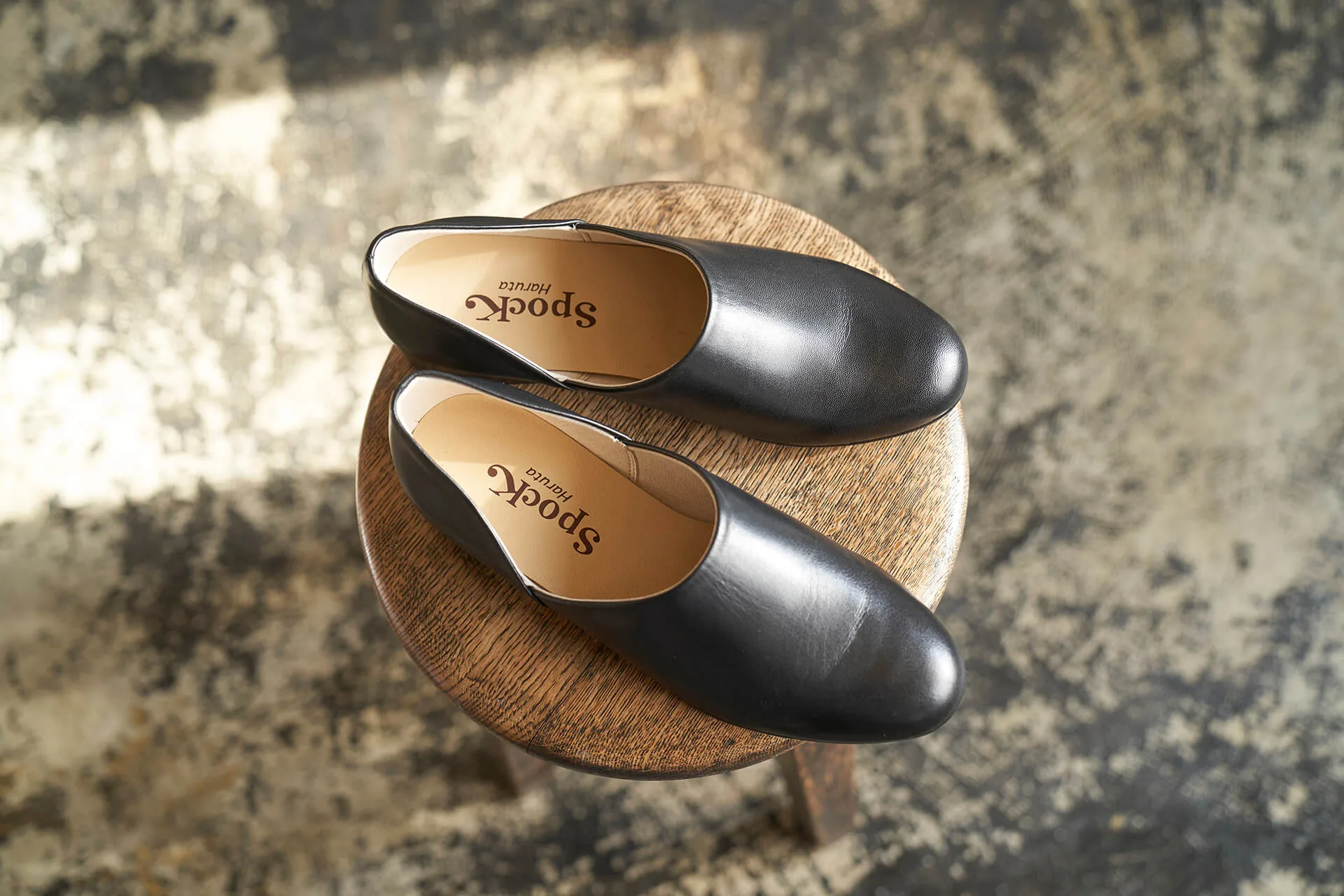




Foot problems such as bunions are partly caused by shoes that do not fit, but heels that are too high, forcing a forward-leaning gait, are just as much to blame. Walking properly also plays a part in circulating the blood, and heels that keep the heel from landing properly hinder that movement and can lead to poor circulation and cold feet. Everyday shoes and special-occasion shoes should really be kept separate.
Five things to know about women's shoes
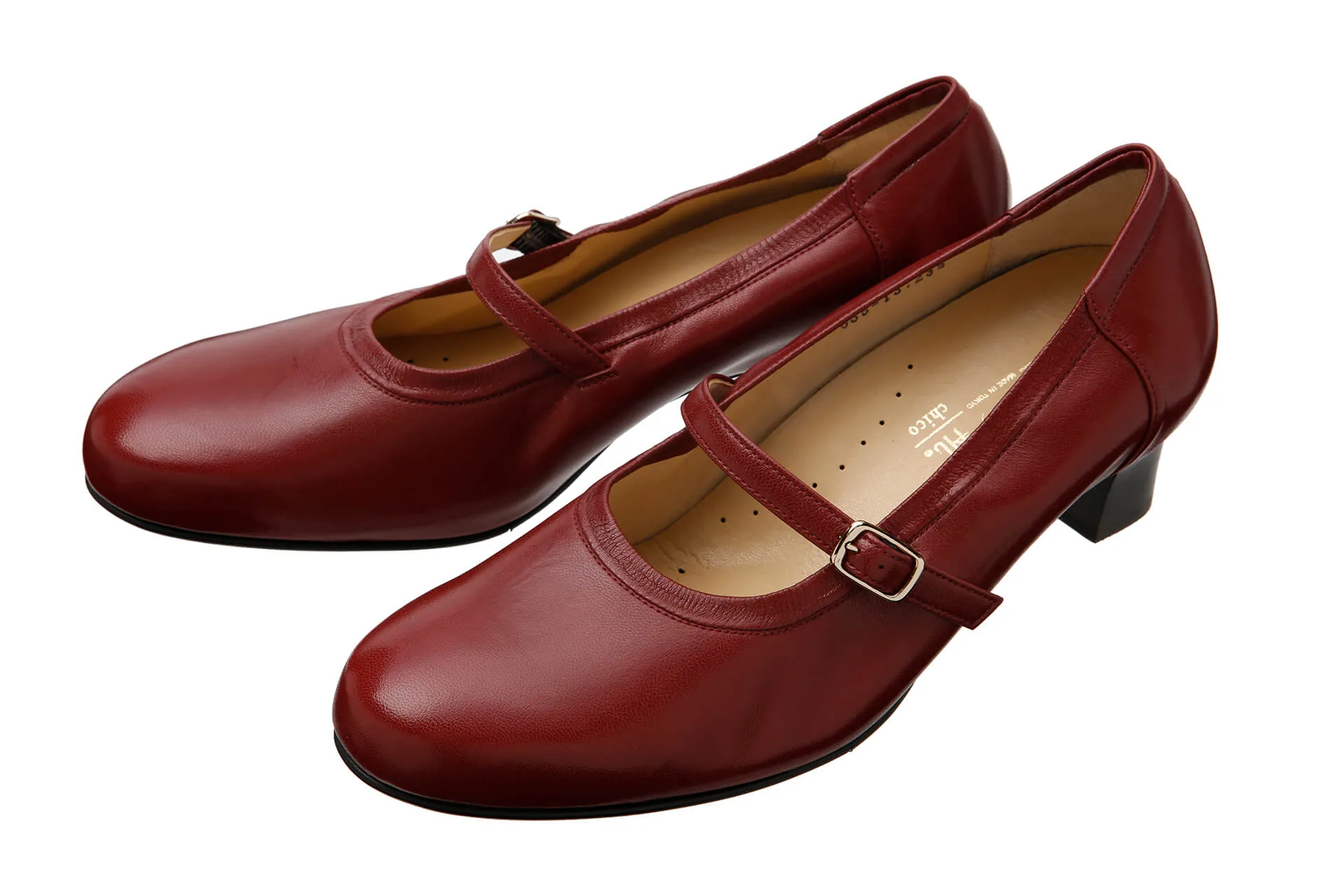
The film Sex and the City had Sarah Jessica Parker say, “Heels feel good. The higher, the better.” Heels never cease to captivate women the world over. The emotional satisfaction they give is irreplaceable, but as shoes for everyday wear, they call for a little more careful choosing.
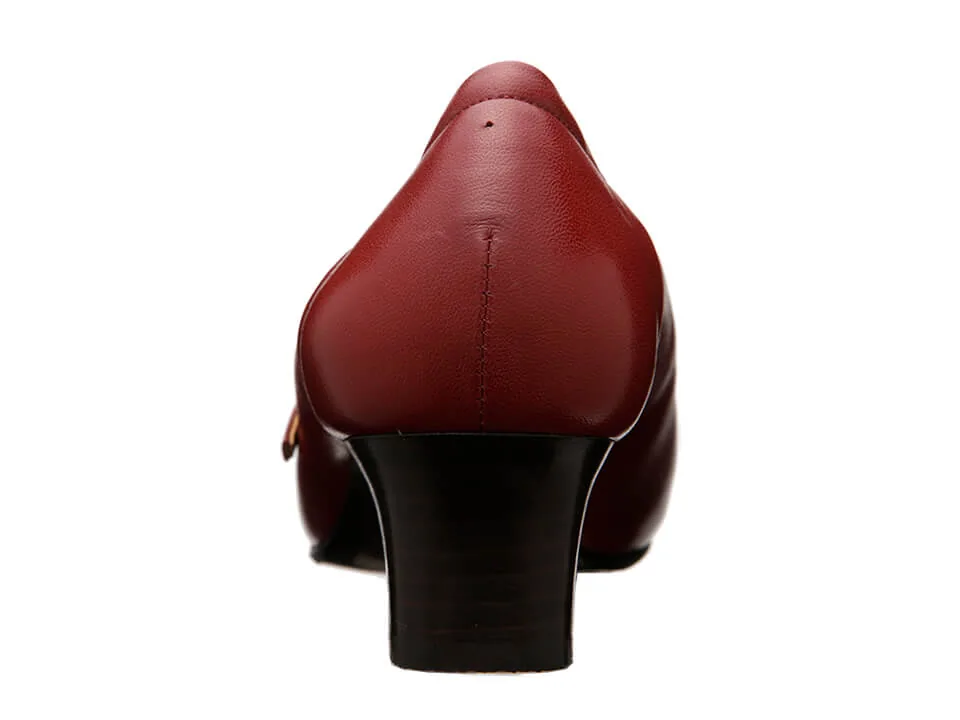
1. Heel: The heel must be stable
It goes without saying, but a heel that sits at an angle or wobbles when the shoe is placed on the ground is no good. The bottom of the heel must sit level with the ground. This is a basic precondition that hardly needs stating.
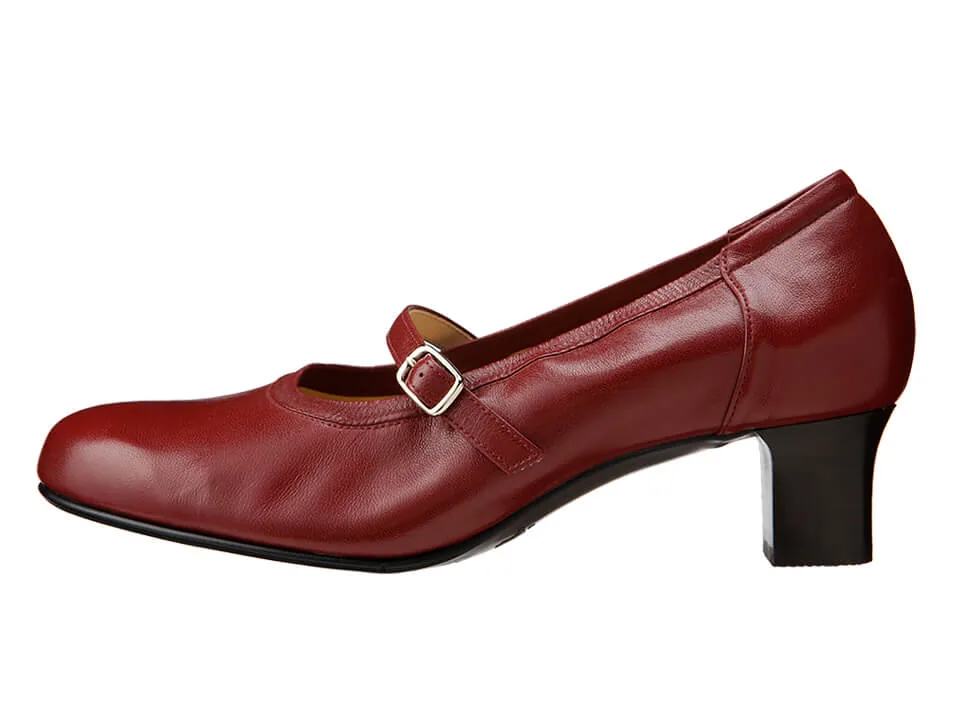
2. Height: For everyday wear, around 5 cm
A heel of moderate height also has the benefit of making the push-off smoother. The guideline for that is 3 cm. The heel height considered fine for regular use is 5 cm. Anything higher is best reserved for special occasions.
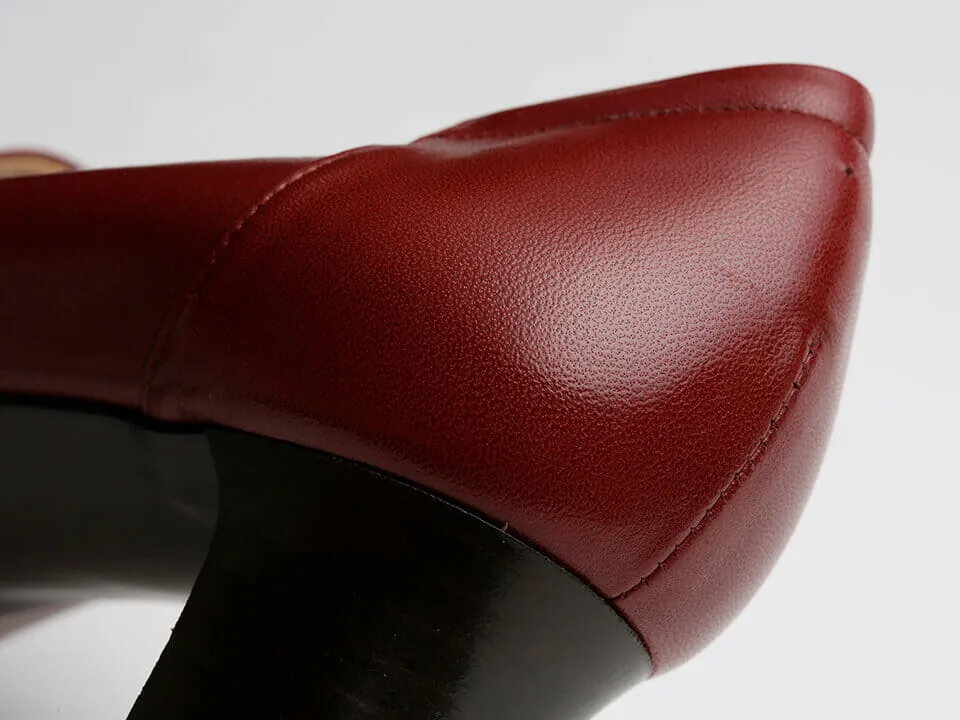
3. Counter: Is there a stiffener extending to the arch?
As you can feel by touch, this part contains a stiffener called the counter, which holds the heel. Pumps that are good for the feet are built to wrap snugly from the outer ankle bone to the arch.
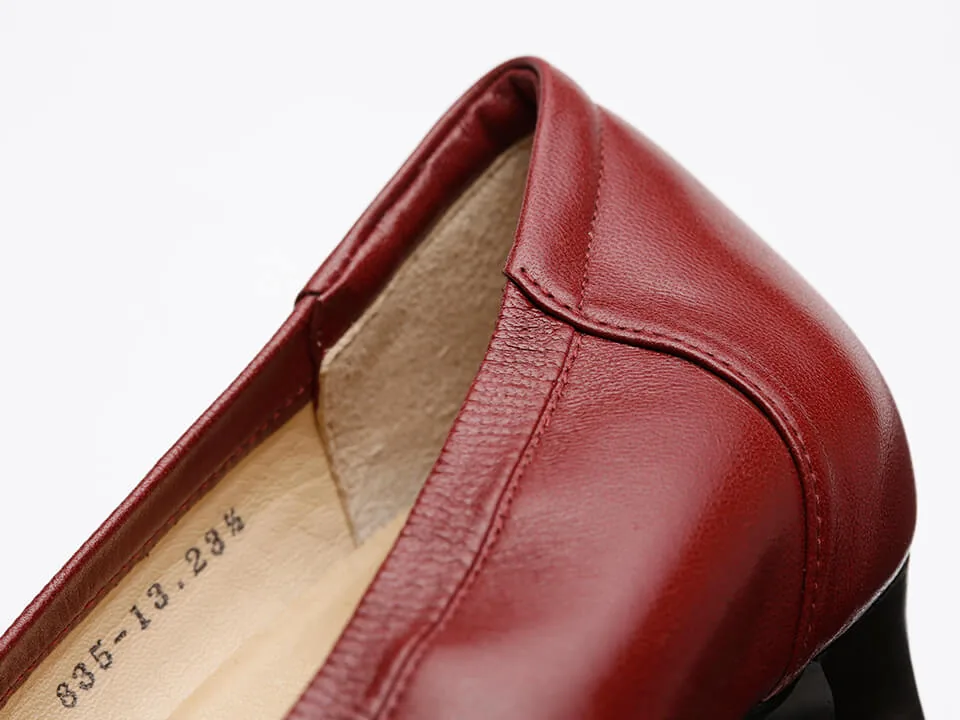
4. Silhouette: Does it cradle the heel?
The higher the heel, the more the shoe needs a structure that acts as a stopper. One is the counter mentioned at right; the other is the shape of the insole on which the heel rests. A bowl-like, enveloping structure is ideal.
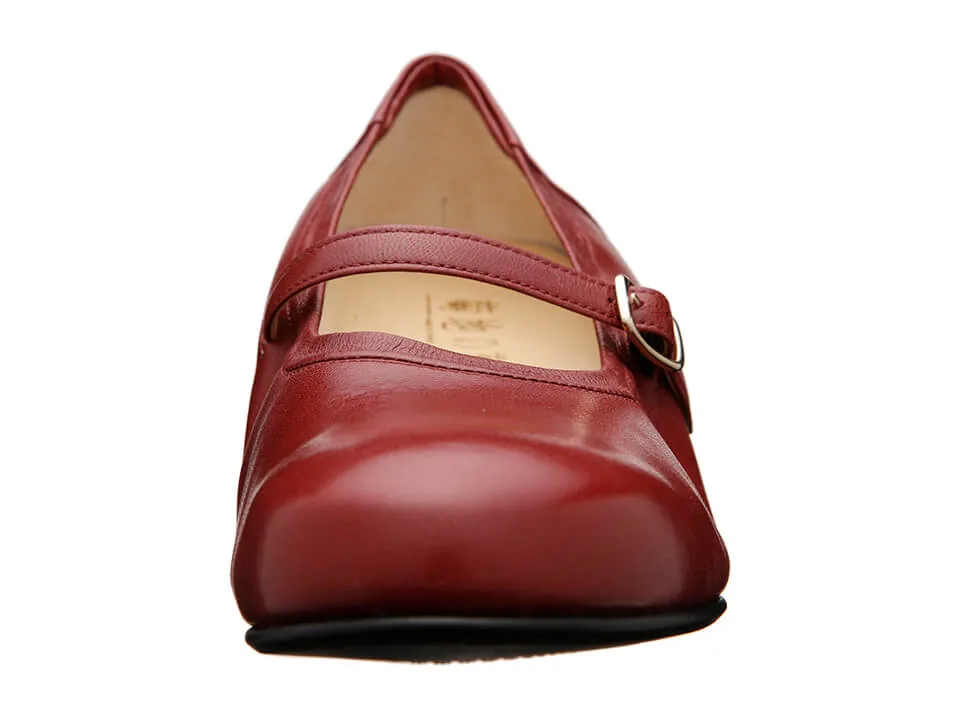
5. Toe: A rounded, roomy silhouette is best
As explained in the section on men's shoes, the shoe needs some room, known as sutesun (toe allowance), to accommodate the foot's range of movement as it stretches and contracts. Also, choose a rounded toe shape that squeezes the toes as little as possible.
The case for made-to-order: Choosing custom shoes to keep your feet healthy
Shoes must bear the whole body's weight and support the heavy labor of walking, so it pays to choose ones that fit as well as possible. But feet, like faces, are different for everyone. In the trade, the standard size of 23 cm is called the Cinderella size, which tells you how rare it is for ready-made shoes to fit perfectly in the first place. Dinus Seika is the company that laid the foundations of the shoe-fitter profession. If you are considering custom shoes, it deserves a place on your shortlist.
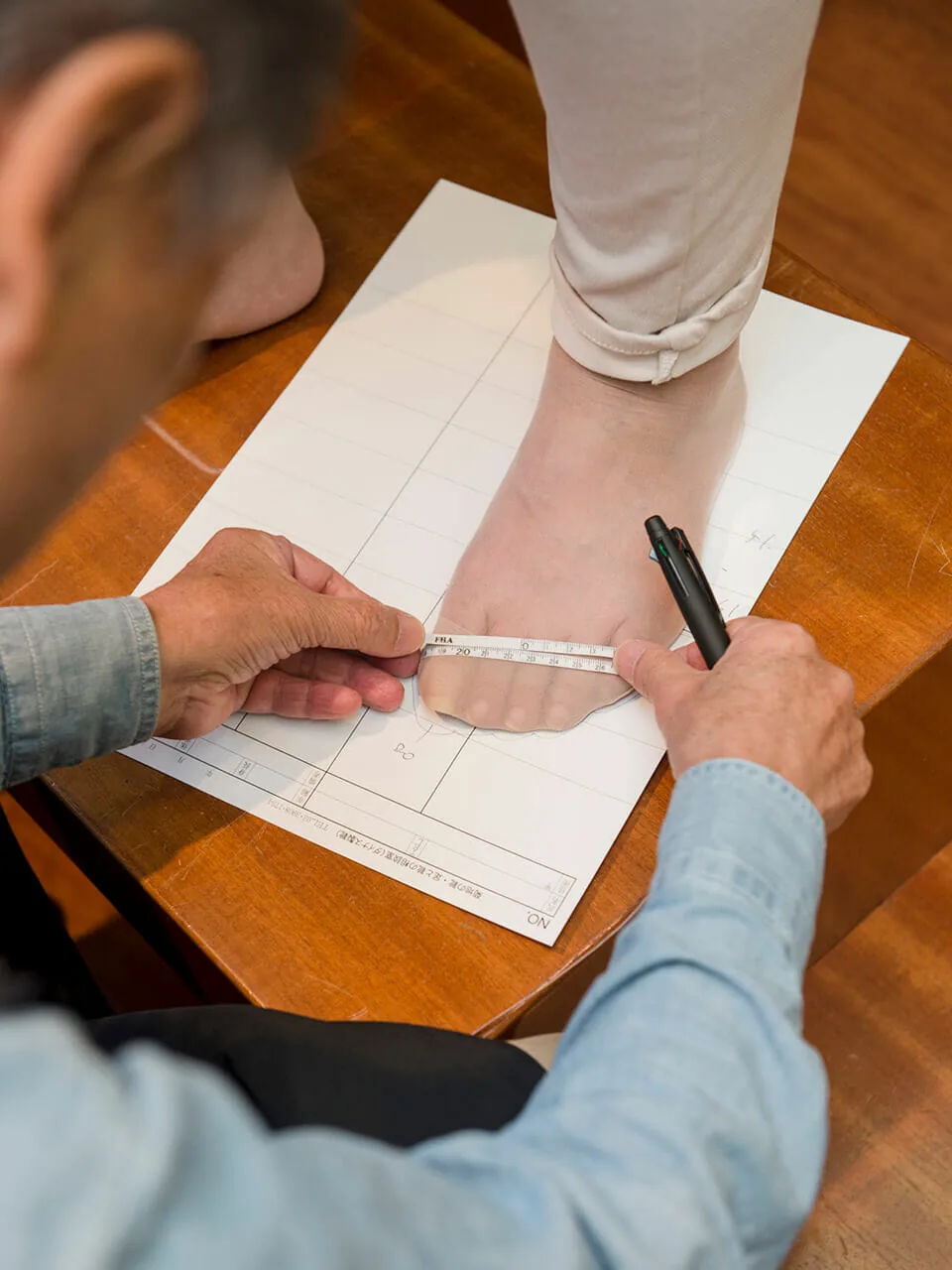
1. Measuring: As many as 30 points are measured
First comes measuring. The measuring points number no fewer than 30, we are told. No wonder they say, “Allow about an hour.” This is offered as a free service, so anyone curious should give it a try.
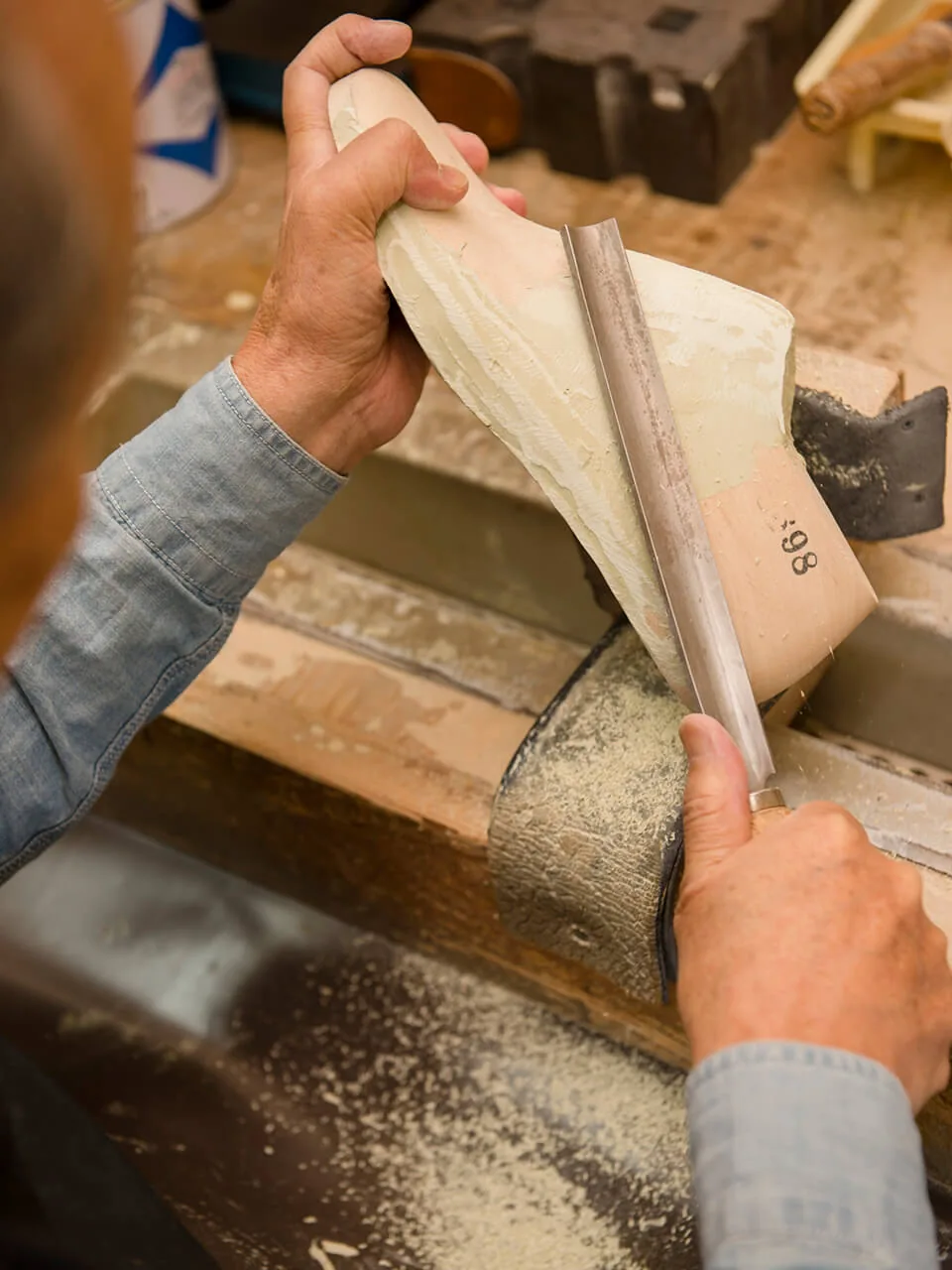
2. Last: Your wooden last is kept semi-permanently
Based on the measurements, a wooden last is carved from scratch. Most impressive of all, the last is kept on file indefinitely. Once it has been made, you can get shoes that fit your feet from the company at any time.
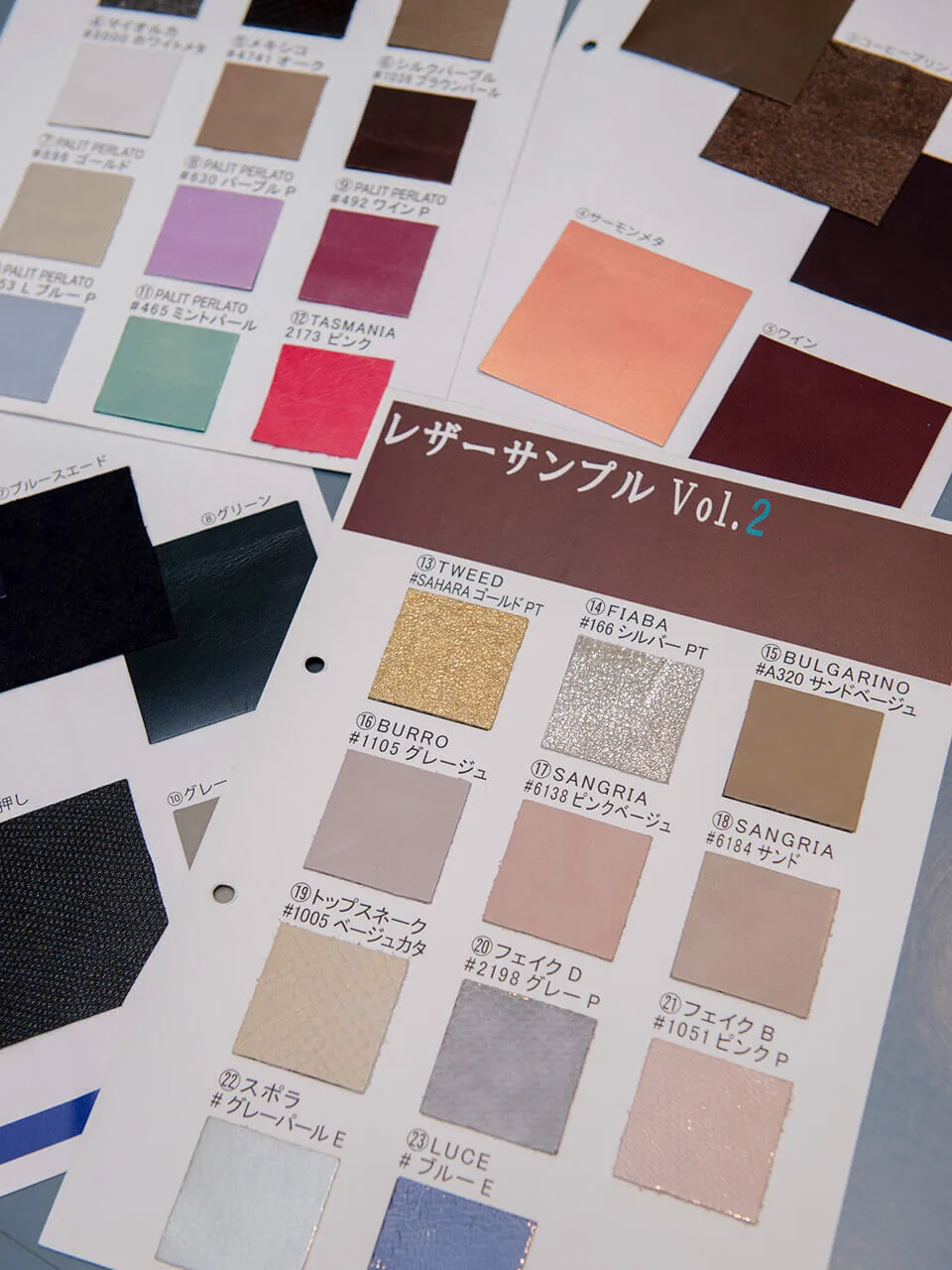
3. Making: Unlimited designs and materials
As befits a long-established, prestigious factory, the range of designs and materials is extensive. Leather not in stock can be ordered in, and they will even take requests like “I want the shoes my favorite actress wears.”
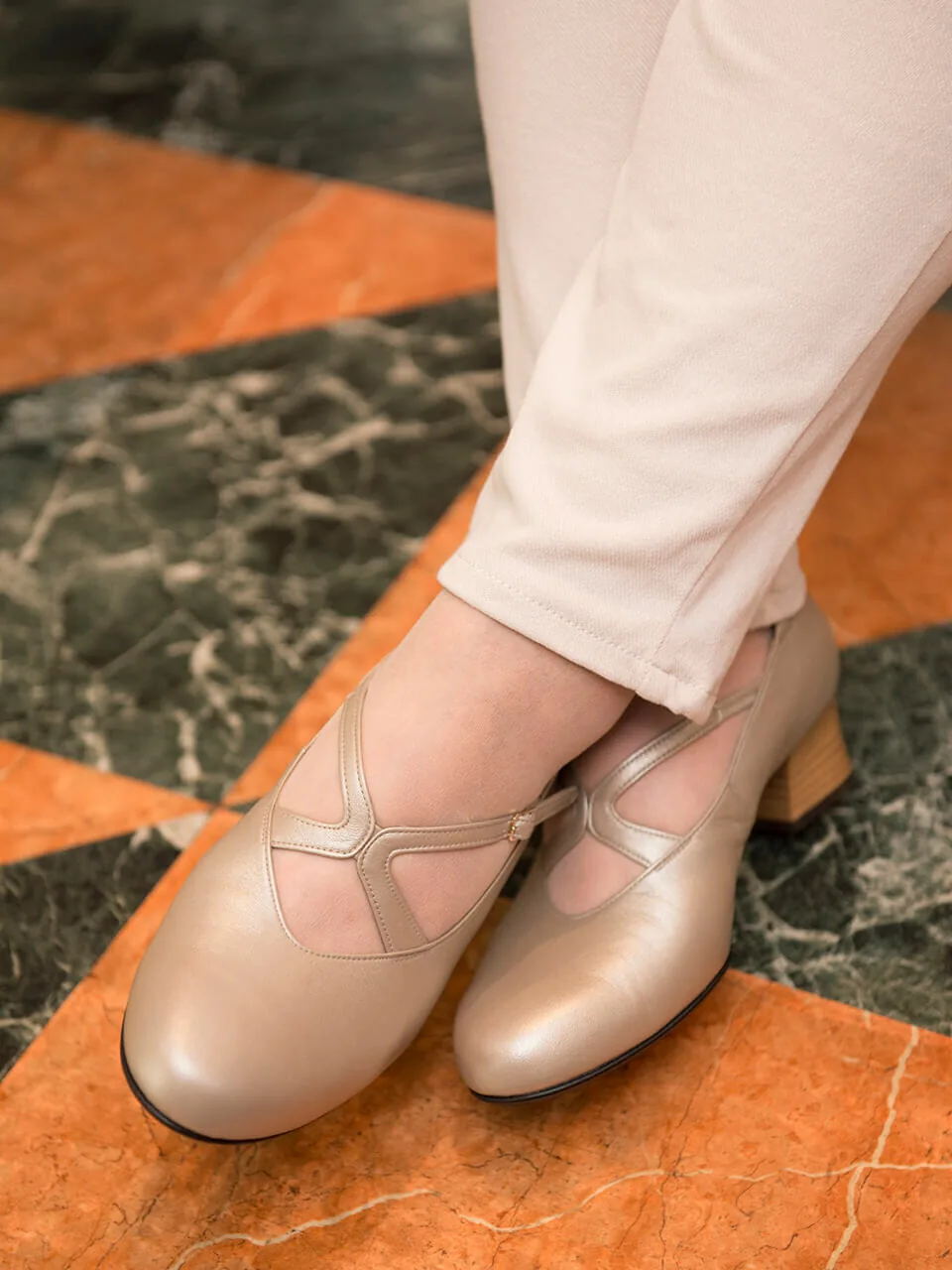
4. Fitting and completion: A fully finished trial pair to wear and test as long as you like
With custom shoes, the fitting stage usually lives up to its name: a hastily made trial shoe is used to check the fit before the final pair is made. At Dinus Seika, however, even the trial pair is finished to perfection, and customers are asked to wear it in everyday life for as long as they need.