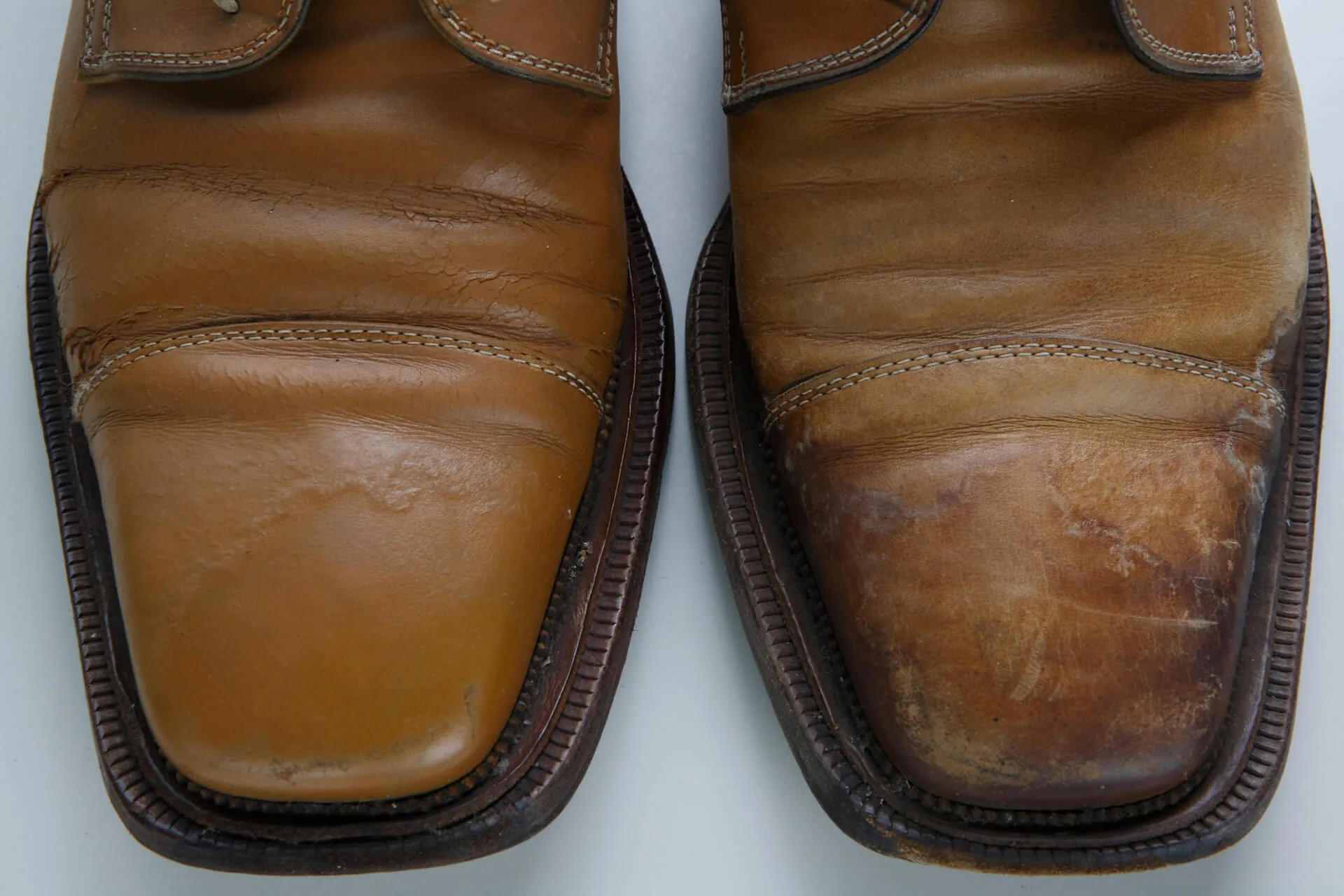
You take a pair of shoes out of the shoe cabinet for the first time in a while and find a faint whitish film. You assume it’s dust—but it’s mold. It happens more often than you might think. Once mold appears, the only option is to remove it. Mold often takes root in leather, so wiping alone is not enough; you need to eliminate the fungus itself with an alcohol disinfectant or similar product. Patiently wipe the mold away using the disinfectant.
After removing mold from your shoes, improve where you store them
Dealing with mold is not just a matter of removing it from the shoes. The real problem is the environment that allows it to grow: unless you improve the storage conditions—high humidity, poor ventilation—the mold will return. As you clean the shoes, also find ways to improve airflow in the shoe cabinet and entryway.
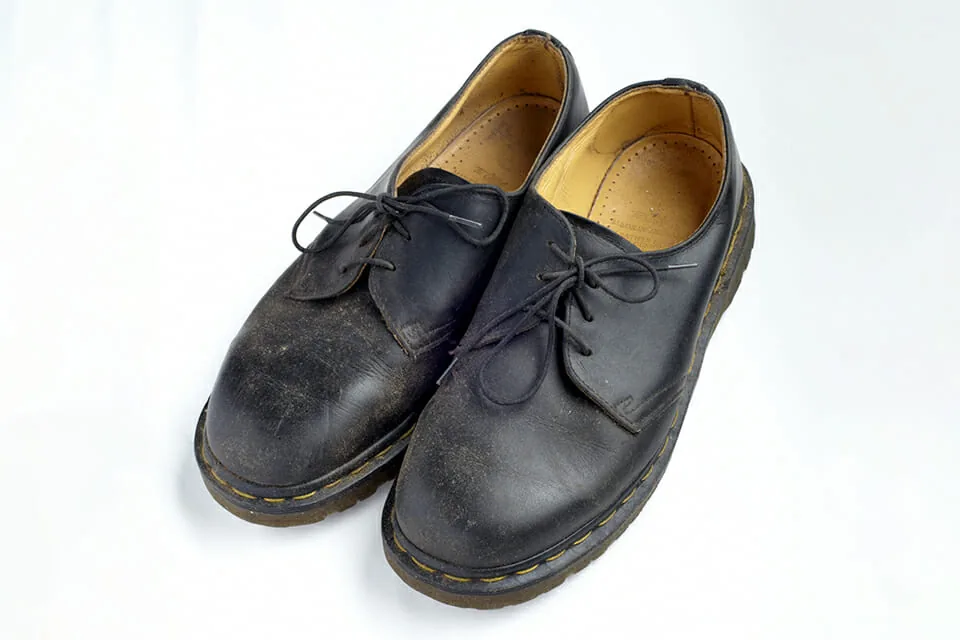
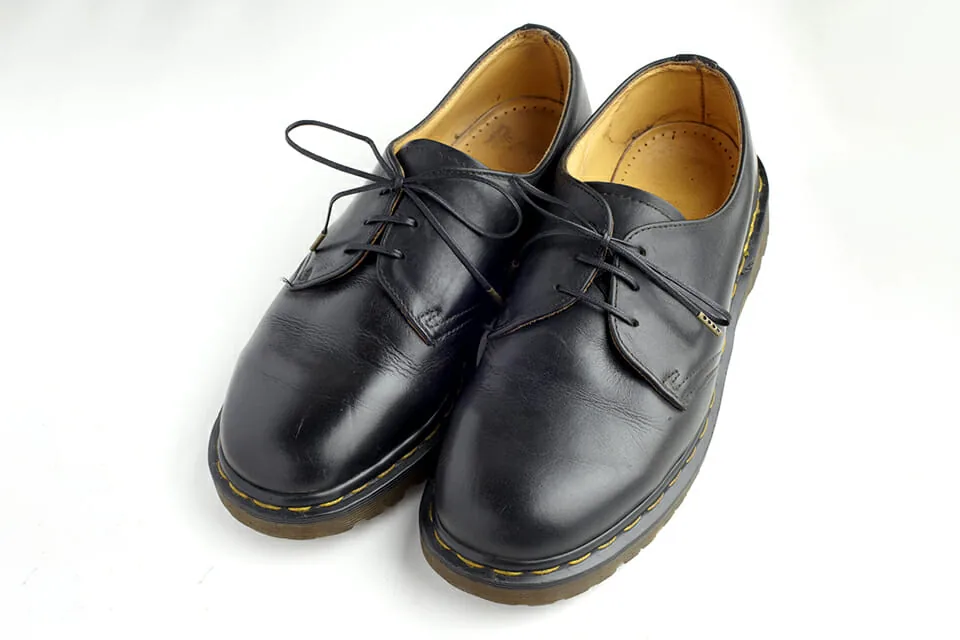
Leather shoes with a faint layer of white mold on the surface. At a glance it looks like dust, but the white mold has firmly taken root in the leather, so rubbing the surface alone will not remove it.
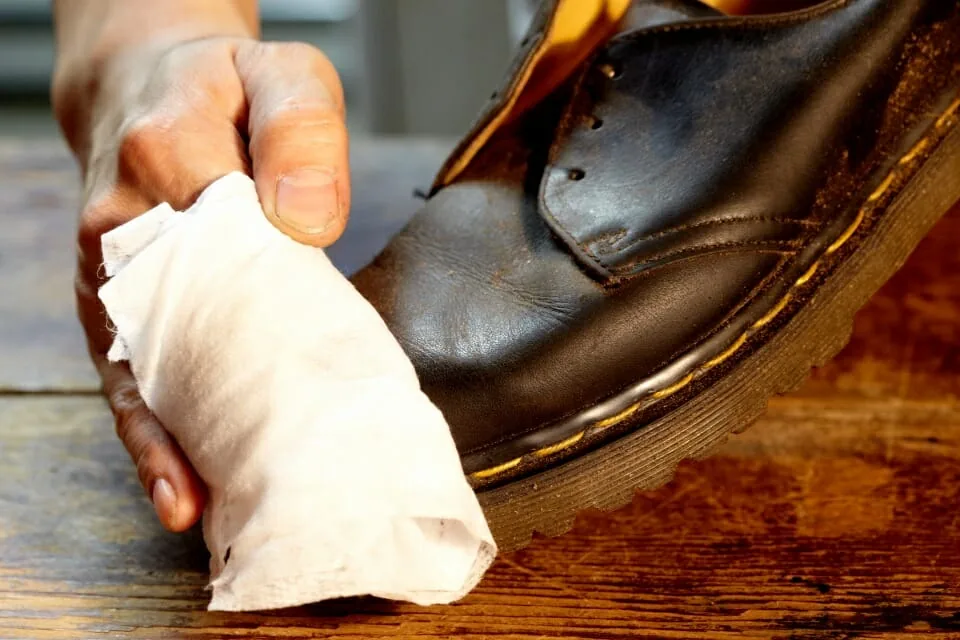
Step 1. Remove what you can with a damp cloth
Remove surface dust, dirt and loose mold by wiping with a damp cloth or wet tissue. This alone takes off a good deal of the surface mold.
Step 2. Wipe the inside thoroughly, too
Mold often grows inside the shoe as well, so wipe the interior thoroughly with a damp cloth. To reach all the way into the toe, remove the laces before you begin.
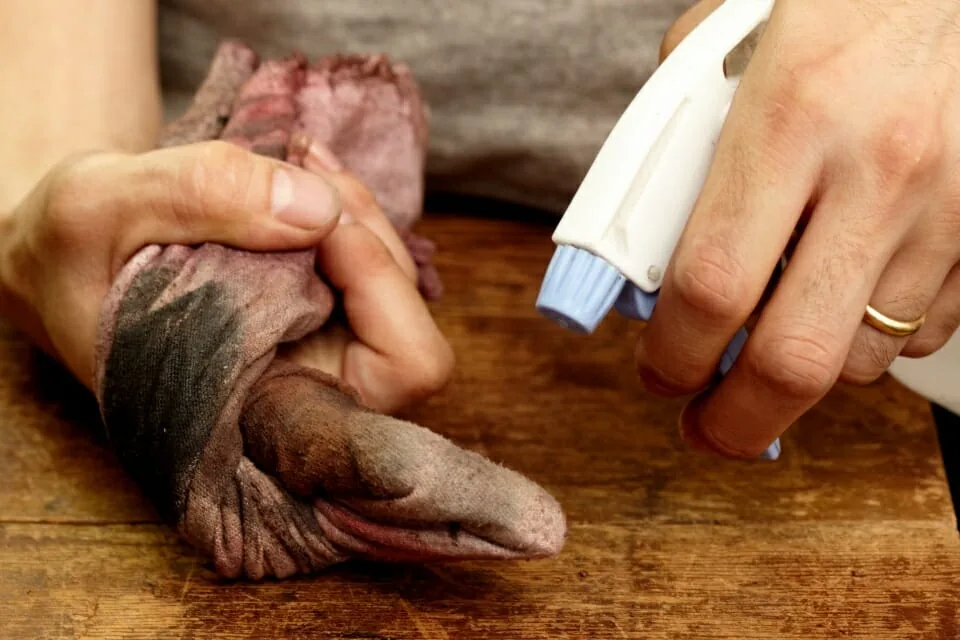
Step 3. Wipe with an alcohol disinfectant
Spray alcohol disinfectant onto a cloth and wipe the surface. Spraying directly onto the shoe can leave stains, so apply it to the cloth first and test on an inconspicuous spot.
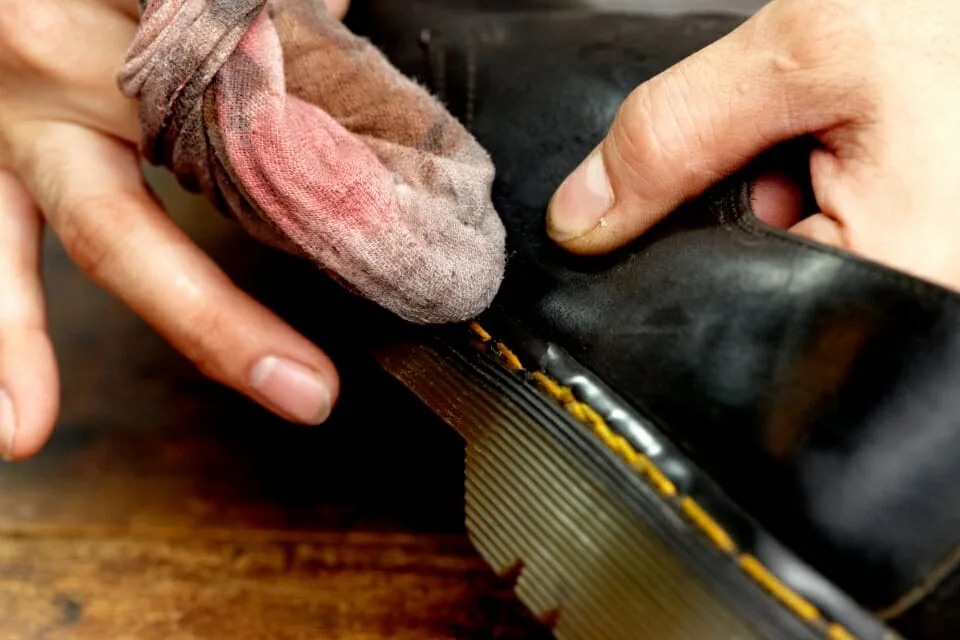
Step 4. Wipe every corner thoroughly
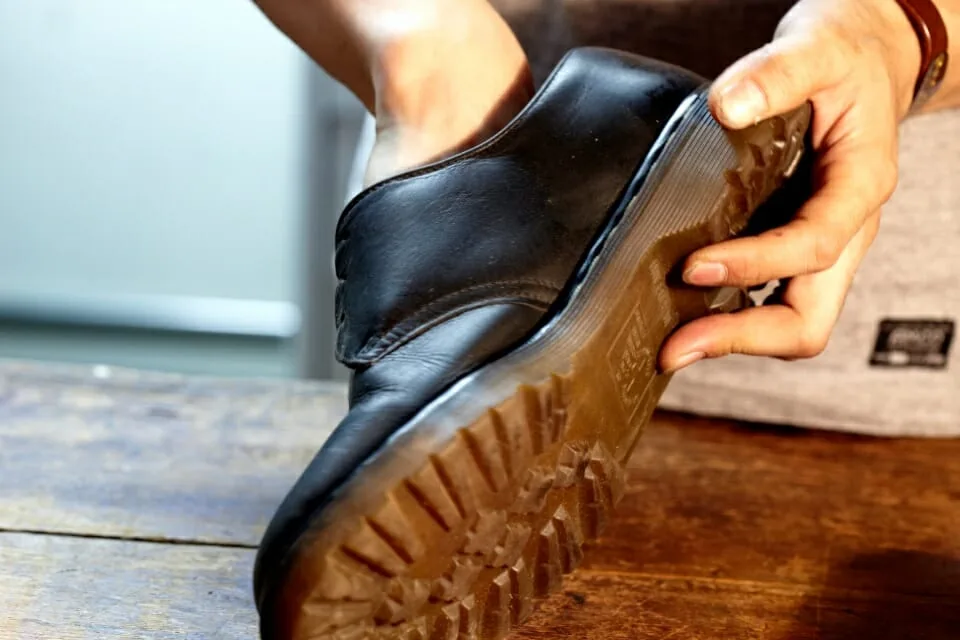
Mold also grows in corners, such as along the edge of the sole and in the stitching. Because these spots are hard to clean, wipe them carefully with the alcohol disinfectant. It is fine to scrub firmly until the mold comes off.
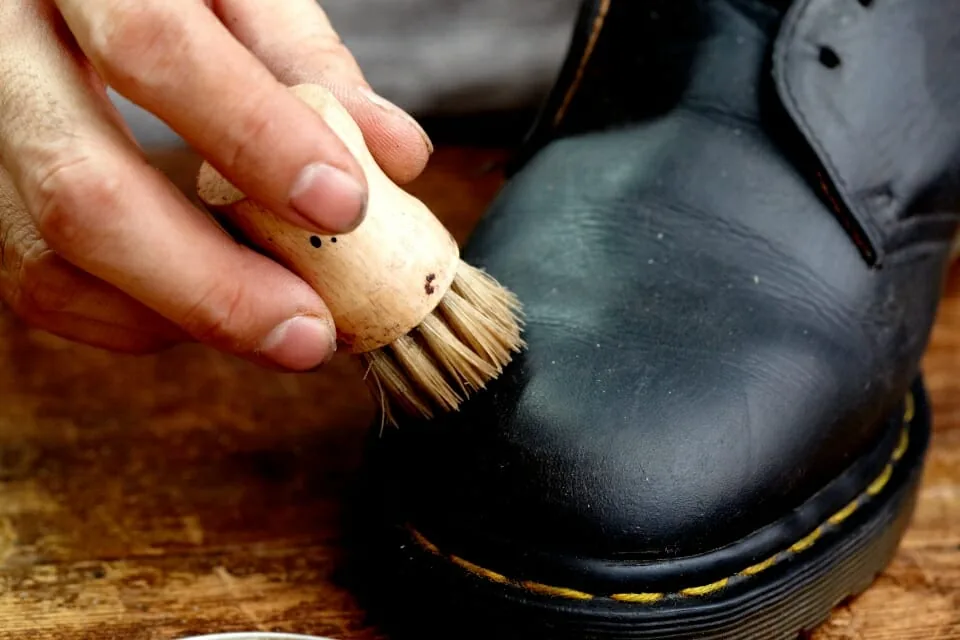
Step 5. Revive the leather with cream
Once the disinfectant has removed the mold, let the shoes dry. When they are dry, apply emulsified cream. You can apply it with a cloth, but a brush works better for working the cream into fine areas.
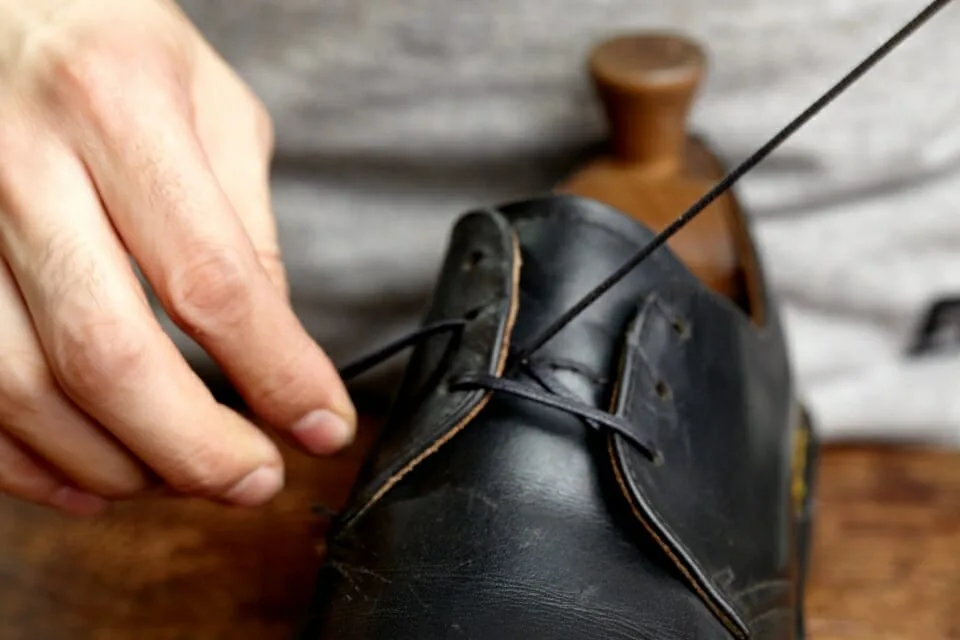
Step 6. Replacing the laces is a must
After applying the cream, follow your usual maintenance routine: brush, wipe off, and finish with a final brushing. Old laces can become a source of mold again, so throw them away and replace them with new ones.
Step 7. Done!
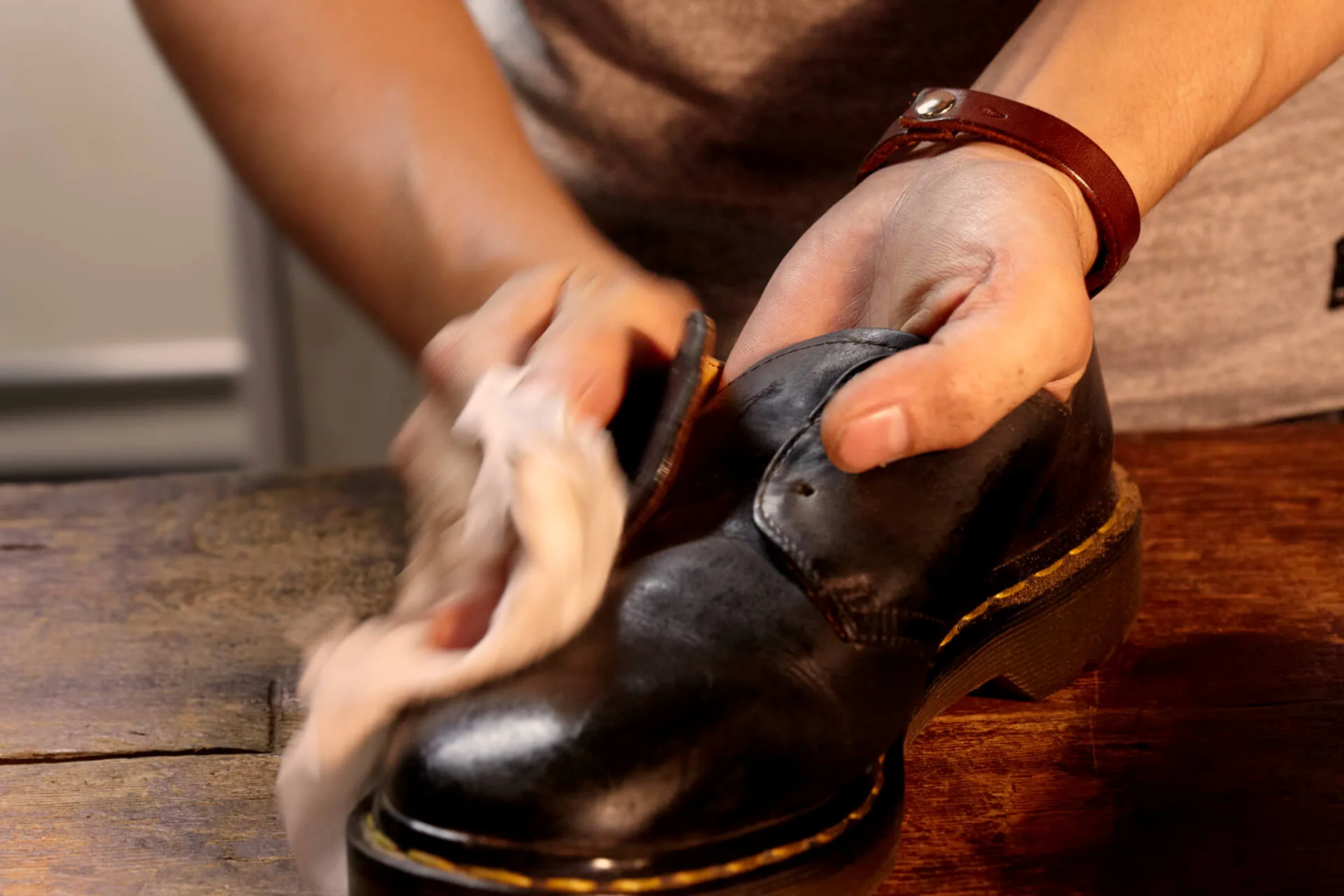
The mold is gone, and with cream and brushing the shoes have regained their original deep black shine—you would never guess they had been moldy. With new laces, too, they feel completely refreshed!
Care products for mold
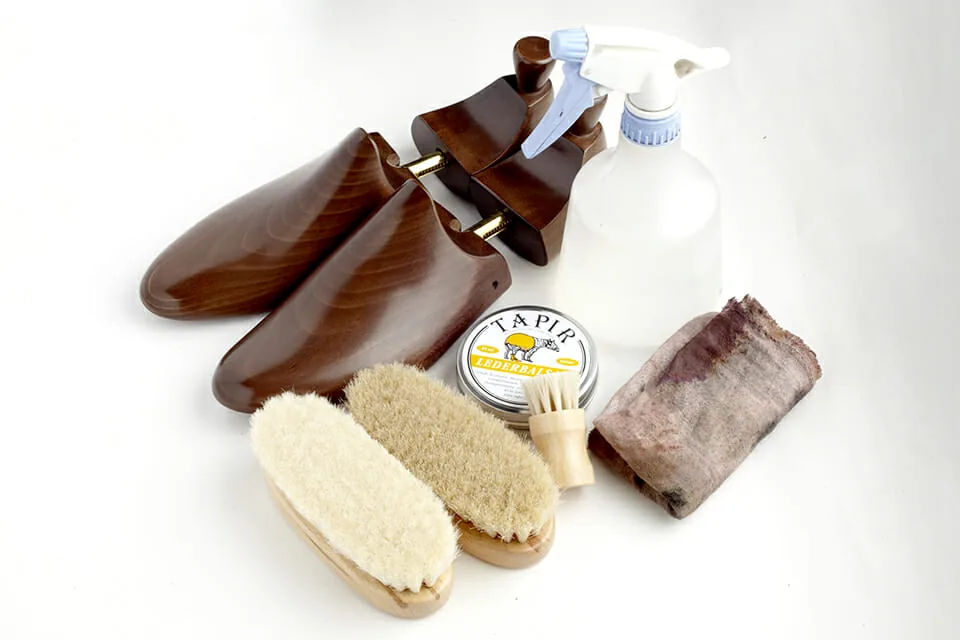
A commercially available alcohol disinfectant spray for removing mold.
An emulsified cream that nourishes the leather. TAPIR Balsam, neutral (¥1,575).
A cloth for polishing. Soft fabric, such as an old T-shirt, works well.
A compact, dedicated brush that makes it easy to work cream into fine areas. Edoya white horsehair cream brush (¥1,890).
Use different brushes for different jobs: white horsehair for removing dirt and goat hair for polishing. Edoya white horsehair oval brush (¥4,725), Edoya goat hair oval brush (¥4,725).
Shoe tree (¥12,600)
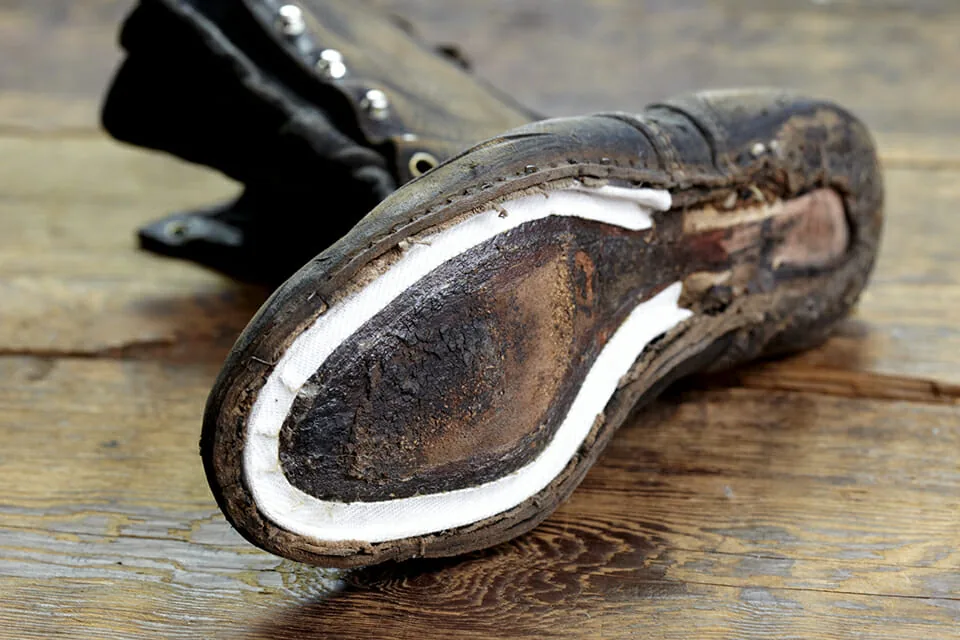
Mold also hides between the sole and the bottom of the shoe. To eliminate it completely, remove the sole and wash the whole shoe.
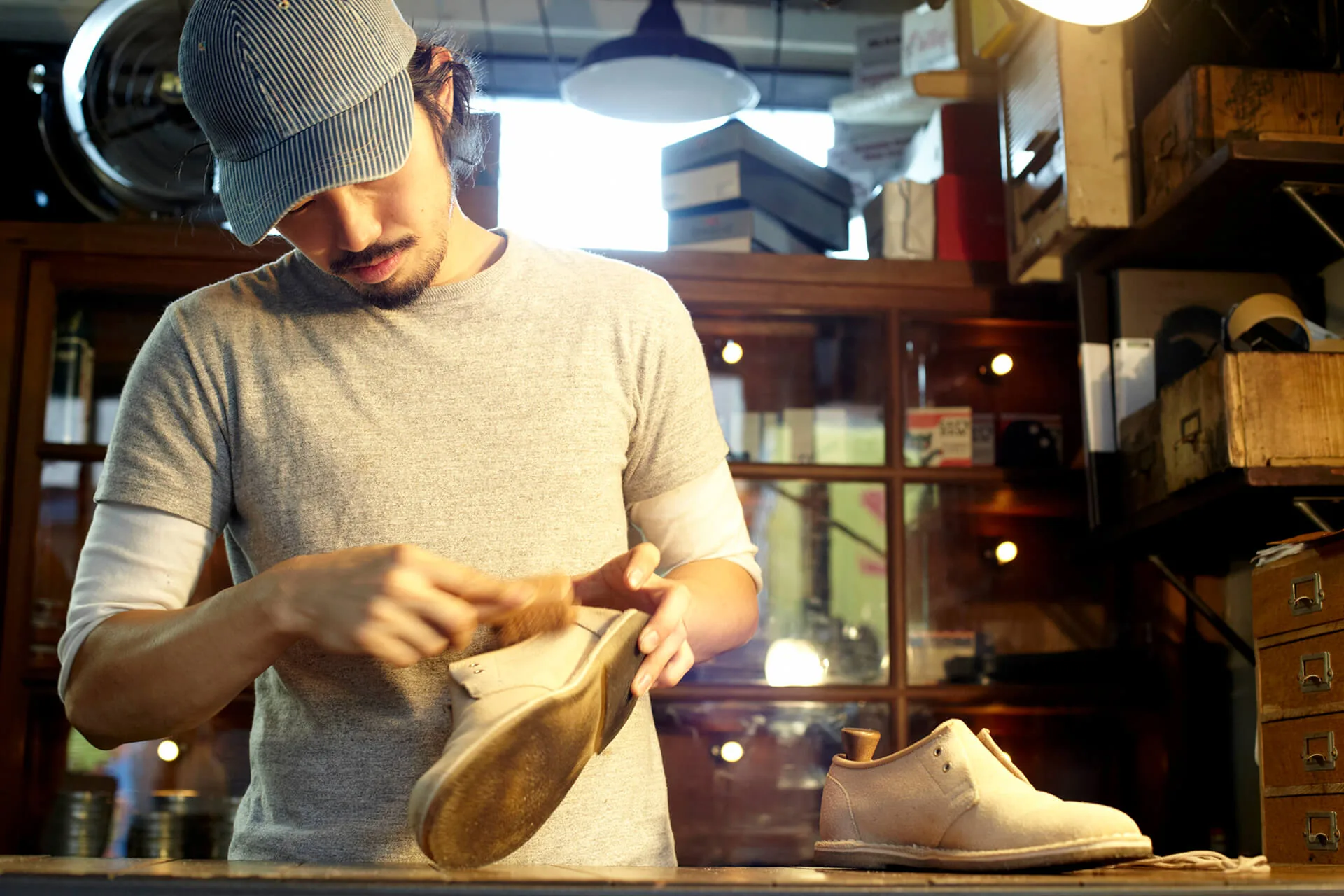
At Brass, when a moldy pair comes in for maintenance, the sole is removed and the entire shoe is washed. Mold often grows between the sole and the bottom of the shoe, and this is said to be the best way to eradicate it. For deep-rooted mold, it is best to entrust the job to a professional.